
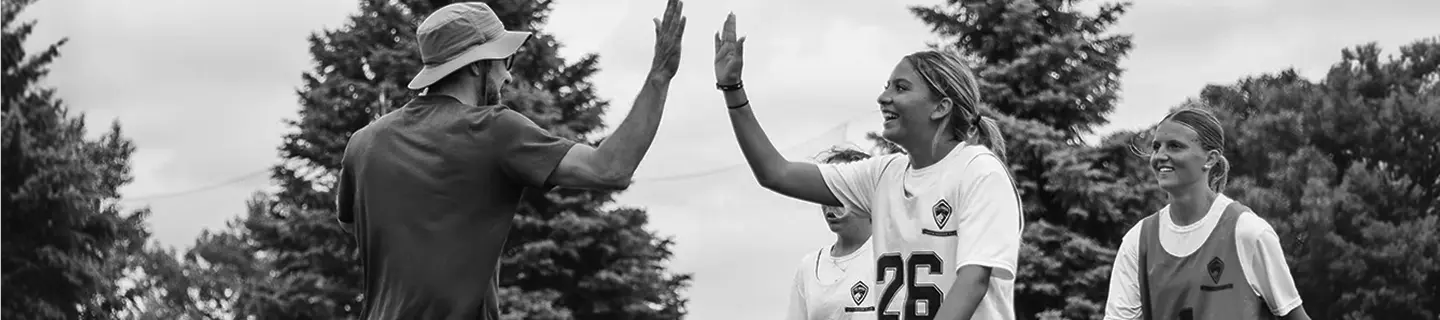
News & Updates
College Placement Spotlights from Previous Months

How to Approach College ID Camps: A Quick Guide for Players & Families
College ID camps are a common part of the recruiting process, but not all camps serve the same purpose. With so many options available, it can be difficult to know which ones are worth your time and how they actually fit into your overall plan. This guide is designed to give players and families a clearer way to think about ID camps so each experience has more direction and value. Know the Types of ID Camps Individual School Camps: Hosted by one program. Best for players seriously interested in that specific school. Strong for direct evaluation and relationship building. Multi-School Camps: Multiple college coaches in one place. Great for broader exposure and comparing levels. ID Camp Companies: Larger, often regional or national events. Good for maximizing visibility, but typically less personalized. Each type serves a purpose. Your job is to match the camp to your goals. How Do You Know Which Camps to Attend? Start with information, not assumptions: Talk to your club coach or DOC: They should have insight into which schools recruit your level and which camps are worth attending. Research rosters: Look at the size, position depth, and player backgrounds of schools you’re considering. Review recruiting history: Has the program recruited players from your club, league, or level before? Communicate with coaches: A simple email expressing interest can go a long way. If they respond and encourage attendance, that’s a strong signal. Not all camps are created equal, and not every camp is right for you. How to Determine Fit & Level This is where most players get it wrong. Be honest and strategic: Level of play: Compare yourself to current players on the roster (ECNL, MLS Next, GA, etc.). Division doesn’t tell the whole story: High-level Division II, III, and NAIA programs can be a better fit than some Division I schools. Feedback matters: Ask your coaches directly, “Do you see me at this level?” Camp attendee pool: Ask who else is going; this often tells you more than the camp marketing. The goal isn’t just to attend—it’s to be evaluated in the right environment. Cost, Location & Return on Investment ID camps can range from local, low-cost events to expensive travel weekends. Bigger isn’t always better. Prioritize camps where coaches are actively recruiting your class Combine camps with visits when possible Be selective—3–5 targeted camps are often more valuable than 10 random ones What Should You Be Doing by Grad Year? Rising Seniors (Class of 2027): This is still a window of opportunity. Your recruiting process is not closed. You can (and should) continue exploring options, but the key is being realistic and intentional. Keep a wide net, but prioritize schools where there is a legitimate fit Attend camps where you’ve had some level of communication or mutual interest Balance exploration with focus: not every camp is worth your time or money at this stage Be honest about your level. Targeting the right tier will create more real opportunities Use camps to create or confirm opportunities, then follow up quickly with film and communication Rising Juniors (Class of 2028): This is the most important evaluation year. Build a working list of 15–30 schools across levels Attend a mix of individual school and multi-school camps Start consistent outreach (email + film) Use camps to identify your level: Where do you stand out? Where do you struggle? Begin narrowing based on feedback and responses Rising Sophomores (Class of 2029): This is about development and exploration. Attend local or regional camps for experience Focus on learning how college sessions are run and what’s expected Start building habits: communication, preparation, competitiveness Exposure is a bonus—not the priority Final Thought ID camps are tools and not guarantees. The players who benefit most are intentional about where they go, honest about their level, and proactive in their communication. Be selective. Be prepared. And make every camp part of a bigger plan. Use your resources!

Anthony Presnell
Apr 30 2026
Anthony Presnell
Apr 30 2026
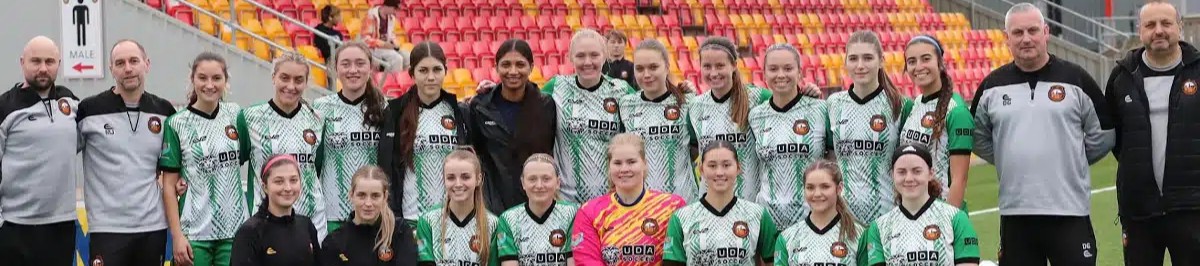
Breaking the Mold: Gap Year and International Soccer Opportunities
Breaking the Mold: Gap Year and International Soccer Opportunities For high school graduates who dream of continuing their soccer journey but aren’t ready, or have limited opportunities to jump directly into NCAA, NJCAA, or NAIA programs, an exciting world of alternative opportunities is available. These options offer a fresh perspective on player development, personal growth, and the chance to explore the game in new environments. From gap year programs to international study experiences, these pathways can be a transformative stepping stone for young athletes. Domestic and International Gap Year Programs Gap-year programs offer an intensive soccer experience, often focusing on development without compromising NCAA eligibility. Domestically, PCDA Regis provides a five-day training structure, competitive matches, and a supportive environment for players seeking a bridge to college or professional soccer. Internationally, programs like UDA (University Degrees Abroad) partner with professional academies and universities in the UK, allowing players to study and train simultaneously. Similarly, eTure Spain places athletes in competitive Spanish environments, exposing them to high-level training and cultural immersion. International Study Programs for Student-Athletes Studying abroad while playing soccer offers a once-in-a-lifetime experience for young athletes. Gloucester City AFC in England combines semi-professional soccer with academic opportunities through local universities, fostering both athletic and academic development. Meanwhile, FC Malaga City Academy in Spain provides full-time soccer training with academic options tailored to players’ needs. These programs focus on building soccer careers while delivering a holistic education, preparing players for professional and personal success. Looking Ahead Today’s opportunities are far more diverse than a decade ago. Players no longer need to limit themselves to NCAA, NJCAA, or NAIA paths. By embracing alternative programs, they can focus on development, gain international exposure, and expand their cultural perspectives. We will feature a Player Spotlight in our monthly newsletter to celebrate players’ success in pursuing these nontraditional paths. We’ll share updates from former players thriving in gap years and international programs each month, showcasing their growth and inspiring the next generation to explore these incredible opportunities. Alternative Pathways: International Spotlight Former Colorado Rapids Central and North player Mollie Skibinski is making a name for herself across the pond. After graduating from high school, Mollie moved to England to play for Gloucester City AFC, a semi-professional team in the English Football League. Her hard work is paying off, as she earned a starting position as left full-back and scored a goal in her first FA Cup match, helping her team start their league season 7-0-0. In addition to her success on the field, Mollie is a full-time student pursuing a Sport and Exercise Science degree at the University of Gloucestershire. “I joined Glos City to gain a year-round semi-professional soccer experience, help the team get promoted in the EFL, all while being able to earn a university degree and obtain my coaching licenses,” she says. Great job representing the Rapids abroad!
Anthony Presnell
Nov 19 2024
Anthony Presnell
Nov 19 2024

Elimination of the National Letter of Intent (NLI)
NCAA’s Elimination of the National Letter of Intent (NLI) and Its Impact on College-Bound Soccer Players and Signing Day Events The NCAA Division I Council’s decision to eliminate the National Letter of Intent (NLI) program marks a historic shift for college athletics, particularly affecting soccer players navigating the recruitment process. For over 60 years, the NLI has been a binding agreement between athletes and schools, ensuring a one-year commitment. With its removal, financial aid agreements will now replace the NLI, offering greater flexibility in how athletes commit to their future programs. One significant impact of this change will be felt during National Signing Day—a highly anticipated event where athletes across various sports publicly sign their NLIs to commit to their college of choice. Traditionally, National Signing Day, particularly during the early signing period in November, has been a monumental day for recruits, their families, and college programs, filled with ceremonial events, media coverage, and celebrations. Without the NLI as the formal agreement, Signing Day events may evolve into celebrations of financial aid offers or new binding agreements tied to the future revenue-sharing model, but the core traditions of athletes making their commitments public are likely to remain. For soccer players and other recruits, the elimination of the NLI will not diminish the importance of Signing Day, but it may change how athletes approach it. Without being bound by the rigid terms of the NLI, athletes could have more time and flexibility to make decisions, potentially leading to fewer rushed commitments and more informed choices. However, written financial aid agreements will still prohibit further recruiting communications once signed, preserving some level of finality for Signing Day. Additionally, with potential updates to the recruiting calendar, including early signing periods, college-bound soccer players will need to stay aware of changes that may affect when and how they sign with their future schools. The possibility of revenue-sharing tied to these agreements adds another layer of complexity and opportunity, as athletes could benefit from financial incentives beyond traditional scholarships. In essence, while the structure of National Signing Day may shift, the day will continue to be a pivotal moment for athletes as they announce their college choices, with more flexibility and options than ever before. The NCAA’s move toward eliminating the NLI is a landmark change that reshapes recruitment, but it also empowers athletes with greater freedom as they embark on their collegiate journeys.
Anthony Presnell
Oct 29 2024
Anthony Presnell
Oct 29 2024

Navigating Your College Soccer Recruitment Process This Fall
Navigating Your College Soccer Recruitment Process This Fall As fall approaches, youth soccer players have a unique opportunity to focus on their recruitment journey. Whether you’re just starting high school or preparing to graduate, each year brings different priorities. Here’s what you should focus on this season based on your current year. Freshmen (Class of 2028): Focus on Building a Strong Foundation For freshmen, recruitment is not a primary concern. Instead, you should concentrate on developing solid academic, athletic, and social habits. Academics: Establish good study habits, meet with your guidance counselor, review the NCAA’s academic guidelines, and aim to keep your GPA as high as possible. Athletics: Attend all practices and work on physical conditioning like speed and strength training. Evaluating game film and incorporating individual training will help you improve. Recruiting: Recruitment is not a focus yet, but you can begin learning about the process by watching college soccer games (ESPN+), practicing highlight reels, and discussing your goals with your family. Sophomores (Class of 2027): Preparing for the Journey While sophomores aren’t yet actively recruitable, they can still begin preparing for the future. Academics: Keep up with coursework, maintain high grades, review the academic guidelines for the NCAA, and use tutors when needed. Athletics: Dedicate yourself to practices, continue training individually, and evaluate your own performance by watching film. Recruiting: This is a great time to begin building your online presence through social media and highlight videos. Utilize platforms like SportsRecruits to create a recruiting profile, and start following and engaging with college coaches. Juniors (Class of 2026): Stepping into the Spotlight For juniors, this is a critical time in the recruitment process. Coaches will be evaluating players closely, so it’s important to be proactive. Academics: Make sure you’re meeting NCAA academic standards and continue to prioritize your GPA. Athletics: Give 100% effort in practices, focus on individual training, and consistently evaluate your own performance through game film. Recruiting: Now is the time to start reaching out to college coaches, attending showcases, and updating your highlight reel every 2-3 weeks. Engage regularly with coaches via email and social media, and attend local ID camps to get more exposure. Work closely with your coaches and directors for advice and guidance on how to best navigate this crucial stage. Support: Complete the CRYSC Junior Survey and follow up with CRYSC CPP Director Anthony Presnell to establish and execute your individual recruiting roadmap! Seniors (Class of 2025): The Final Push Seniors should be in full recruitment mode, actively narrowing their list of target schools, communicating with coaches, and fine-tuning their highlight reels. Academics: Ensure you meet all NCAA academic requirements and continue excelling in school. Athletics: This is the time to give it your all in practices, maintaining physical conditioning while reviewing film regularly. Recruiting: Communicate frequently with coaches, update highlight videos every 2-3 weeks, and attend local college games. Stay focused on your goals, use your coaches for guidance, and keep re-evaluating your school list to ensure it’s the best fit for you. Support: Complete the CRYSC Senior Survey and follow up with CRYSC CPP Director Anthony Presnell to establish and execute your individual recruiting roadmap! As you move through the fall season, focus on what’s important for your current stage in the recruiting process. Whether you’re just beginning or nearing the end of your journey, stay consistent with your efforts both on the field and in the classroom. Take advantage of available opportunities, connect with coaches, and gradually build toward your goals. With a steady approach, you’ll continue making progress and set yourself up for success in the seasons ahead.
Anthony Presnell
Sep 24 2024
Anthony Presnell
Sep 24 2024
Navigating the NCAA Landscape
Navigating the Changing NCAA Landscape: What It Means for College Soccer Recruiting The NCAA landscape is undergoing significant changes, and these shifts are set to have a profound impact on college soccer recruiting. Understanding these changes is crucial for parents and high school-aged soccer players in navigating the new realities of college sports. Here’s what you need to know about the evolving NCAA rules and how they might affect your child’s journey to playing soccer at the collegiate level. The New NCAA Model: What’s Changing? Recent developments in the NCAA, particularly in Division I (DI) athletics, have introduced new roster size limits and scholarship regulations that are set to reshape the college soccer environment beginning in 2025. The key changes include: Roster Size Cap: Starting soon, all DI soccer programs will have a roster cap of 28 players. This is a significant reduction from the current state, where some teams carry over 30 players. The reduced roster size means fewer spots available for incoming recruits, making the competition even tougher. Scholarship Distribution: Programs that opt into revenue sharing will be eligible to offer 28 full scholarships. However, not every program will have the financial capacity to do so, leading to a scenario where only the wealthiest programs can fully fund their rosters. This will create a divide between programs, where those with more resources will have a significant recruiting advantage. Program Reclassification: Schools will have the option to reclassify their sports programs, potentially moving from DI to Division II (DII) or Division III (DIII). This could result in fewer DI soccer programs overall, reducing opportunities at the highest level and increasing competition for spots in DII and DIII. How These Changes Affect College Soccer Recruiting These changes will have several implications for aspiring college soccer players: Increased Competition for Roster Spots: With fewer spots available on DI teams, the competition for these coveted positions will be fiercer than ever. Players must demonstrate exceptional talent, work ethic, and versatility to stand out in a crowded field. Limited Scholarship Opportunities: Even though programs can offer up to 28 full scholarships, many schools might not be able to afford this. As a result, athletic scholarships will become harder to come by, and players may need to consider other financial aid options or be prepared to fund part of their education. Greater Importance of Academic and Video Performance: With reduced opportunities, players need to bolster their recruitment profiles with strong academic records and high-quality game footage. College coaches will look for students who can contribute both on the field and in the classroom. Transfer Portal Activity: The NCAA’s transfer portal, already a popular tool for athletes looking to change schools, is expected to see a surge in activity. This “Great Reshuffle” could lead to more opportunities for players to move between programs, but it also adds uncertainty to the recruiting process. Exploring Alternative Opportunities: Players should be open to considering schools at all levels, including DII, DIII, junior colleges, and NAIA programs. These levels may offer more immediate playing opportunities and could be a stepping stone to DI programs in the future. Recommendations for Aspiring College Soccer Players Given the new NCAA landscape, here are some key strategies for players and parents to consider: Expand Your List of Potential Schools: Don’t limit your search to DI programs. Many excellent opportunities at other levels can provide a strong soccer and academic experience. Be Persistent, Patient, and Flexible: The recruiting process may take longer, and staying engaged and adaptable as opportunities arise is essential. Prepare a Strong Recruiting Profile: Create a compelling video highlight reel, maintain strong academic performance, and regularly communicate with college coaches. Consider Non-Traditional Paths: With the uncertainty in DI soccer, exploring junior colleges, GAP years, or starting at a lower division school before transferring might be a smart approach. Conclusion The changing NCAA landscape presents both challenges and opportunities for aspiring college soccer players. By understanding these changes and adapting your approach to recruiting, you can navigate this new environment and find the right fit for your athletic and academic goals. Stay informed, be proactive, and keep all options on the table as you pursue your college soccer dreams.
Anthony Presnell
Aug 27 2024
Anthony Presnell
Aug 27 2024
Building Your Recruiting Foundation This Fall
The start of a new season can feel like a lot. School is back, club soccer is getting going, schedules are filling up, and college soccer is underway across the country. For players in the recruiting process, it is easy to immediately start thinking about college coaches, showcases, ID camps, emails, and highlight videos. All of those things are important, but you don't need to do everything at once. The first few weeks of the season should be about getting yourself in a good spot academically, athletically, and with your recruiting process. Start With School Get settled into your classes and take care of your work from the beginning. Once travel, showcases, missed Fridays, and recruiting trips start to add up, staying ahead becomes much harder. Build relationships with your teachers. If you know you're going to miss school for soccer, communicate that early. Let them know that playing college soccer is something you're working toward and that there may be times throughout the year when you'll need to plan ahead. Your academics are going to play a big role in which schools are realistic options, so take care of them from day one. Settle Into Your Team Give yourself some time to get through preseason and settle into the year. You may have a new team, new teammates, a different coach, or even a new position. Focus on staying healthy, training well, understanding your role, and playing good soccer. Don't feel like you need to make a new highlight video after the first weekend. Give yourself 5 or 6 games to build good film, then go back and find the clips that actually show who you are as a player. Get Organized This is also a good time to make sure the recruiting side is ready to go. Update your profiles, review the resources available through CPP, and make sure you know what your next steps are. For our 2027s and 2028s, get your 1:1 meeting with AP scheduled. We can look at where things currently stand, update your school list, and put together a plan for the fall. And finally, go watch college soccer. There are games happening all over Colorado this fall. Go watch different levels, pay attention to the players in your position, and start developing a better understanding of what college soccer actually looks like. The goal right now isn't to have your entire recruiting process figured out. Get organized, take care of the things you can control, and put yourself in a good position for the opportunities that come later in the season. Start-of-Season Action Items Academics: Get organized, stay ahead of assignments, and communicate early about soccer travel. SportsRecruits: Update your team, jersey number, position, GPA, graduation year,highlight reel and contact information. Hudl: Create or update your profile and make sure your games are being uploaded. Review Latest NCAA News: 5:5 Model and how it affects high school recruiting. HERE is a blog post we recently shared. CPP Resources: Review the recruiting resources and information available for your graduation year- HERE is a link to the google drive. 2027 & 2028 Players: Schedule your 1:1 with AP and review your Fall recruiting plan. Highlight Video: Get through your first 5 or 6 games before putting together your first updated video of the season. Watch College Soccer: Use the Men's and Women's College Soccer Master Schedules to find games in your area and get out to watch. Men’s College Soccer Near Us Women’s College Soccer Near Us You can also find a ton of college soccer on ESPN+ throughout the fall. Watch different levels, conferences, and teams, and pay attention to players in your position. The more college soccer you watch, the better understanding you'll have of the level, style of play, and where you might fit.
Anthony Presnell
Aug 26 2024
Anthony Presnell
Aug 26 2024
2024 Winter College Gameday Event
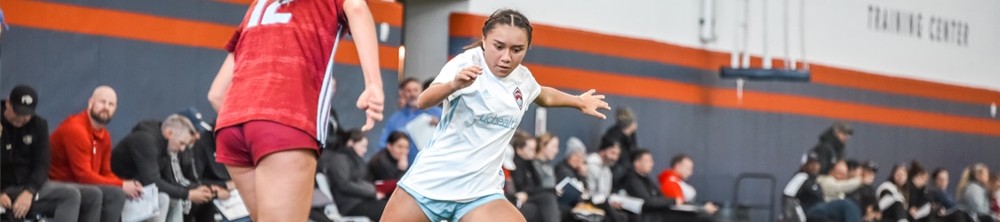
Winter College Gameday Event: Showcasing Talent and Opportunity The fifth annual Rapids Winter College Gameday Event, hosted by College Placement Program Director Anthony Presnell, returned this weekend! This exclusive opportunity for CRYSC high school girls players served as both a platform for internal competition and a stage for evaluation by college coaches from across the nation. With an impressive turnout and a notable lineup of schools and coaches, the event once again demonstrated why it has become a premier recruiting event for college programs seeking talent from Colorado. Impressive Numbers The event’s scale and significance are evident in the numbers. A total of 77 coaches from 61 schools were represented, highlighting the diversity and depth of talent present. Among these institutions, there was a significant spread across different divisions: Division 1: 40 schools Division 2: 10 schools Division 3: 2 schools NAIA: 5 schools Junior College: 4 schools Mix of Familiar and New Faces The Winter College Gameday Event featured a healthy mix of returning and debutant schools. Out of the 61 schools present, 29 were returning, emphasizing the event’s reputation and appeal. Equally notable were the 34 new schools that joined, indicating the growing prominence of this event within the soccer community. Talent on Display At the heart of the Winter College Gameday Event were the players, with 127 high school athletes attending from our ECNL, ECRL, NPL, and Regional programs. Such events are vital for aspiring student-athletes, offering not just a competitive platform but also a pathway to higher education and athletic prospects. The opportunity to be evaluated by college coaches from various institutions is invaluable, turning aspirations into tangible opportunities.
Anthony Presnell
Jan 29 2024
Anthony Presnell
Jan 29 2024
2023/24 CPP Information & Resources
The College Placement Program kicked off its Fall College Series last month with in-person presentations for our North Region, Fort Collins Region and Girls ECRL North. The 90-minute discussions tackled topics including; the landscape of college soccer, individual recruitment processes, club resources, showcases, ID camps, the role of coaches & parents, and more! Over the course of the year the CPP will provide additional team, region, and club wide presentations and classroom sessions. See the information below for information and registration links to upcoming events. Winter Presentations: Wednesday, December 5th: ECNL Boys Fall College Presentation (Open to all 2009-2005 ECNL Players & Parents) 7:00-8:30pm @ Regis University (Science Amphitheater) 3333 Regis Blvd. Register To Attend: HERE Thursday, December 6th: CRYSC & Northfield High School College Night Presentation (Girls presentation: Open to Central and NHS athletes) (Boys presentation: Open to ECRL, NPL, Central, and NHS athletes) 6:00-7:15pm – Girls Presentation @ Northfield High School (BLDG: #1) 5500 Central Park Blvd. 7:30-9:00pm – Boys Presentation @ Northfield High School (BLDG: #1) 5500 Central Park Blvd. Register to Attend: HERE Resources: To help our players maximize their opportunities within the college recruiting process the club provides several additional resources. Click on any of the hyperlinks below to learn more. SportsRecruits: this FREE online platform should be completed by each player by September 15th. VEO/HUDL/TRACE: FREE video services for our membership, and additional information will be shared by your coach in the upcoming weeks. Rapids CPP Quarterly Newsletter: use this link to sign up to receive a quarterly newsletter focusing on recruiting trends, upcoming events, guidance specific to graduation years and other tips for success. Meet “AP”: a quick overview of the Rapids CPP and its services. Email Communication Guide: tips and instructions for emailing college coaches. Important Reminders October 1, 2023– FAFSA open date: any student who is planning to attend college in 2024/25 should plan to complete their FAFSA as close to this date as possible. For more information I recommend visiting FAFSA website: https://studentaid.gov/h/apply-for-aid/fafsa
Anthony Presnell
Aug 30 2023
Anthony Presnell
Aug 30 2023
Jameson McCabe Named July 2026 UCHealth Player of the Month!
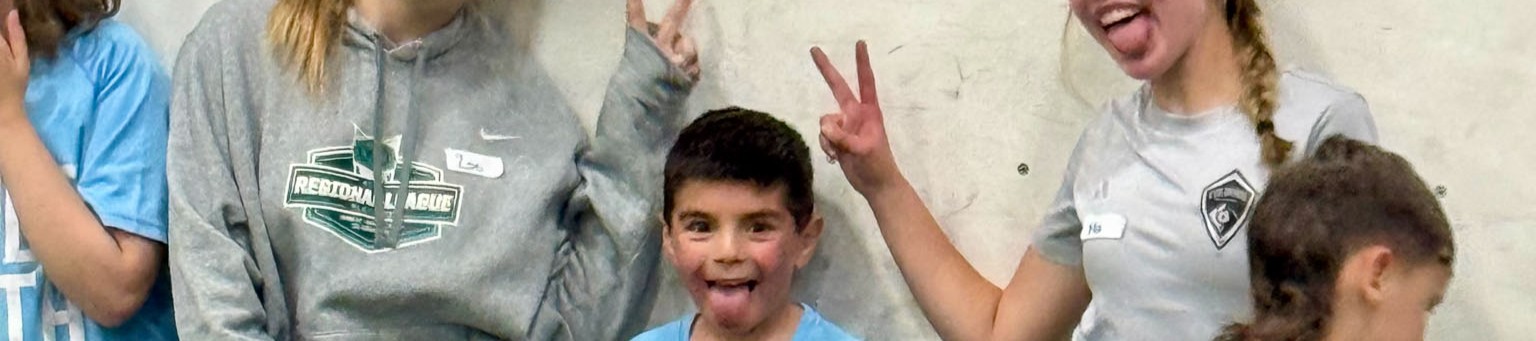
Jameson is a part of our North Adaptive Soccer program, where he is known to be silly, fast, and always willing to give his best. Jameson enjoys seeing his volunteer buddy each week, learning new soccer skills, and being part of a team. Through the Adaptive program, he has grown more confident participating in larger groups, overcoming his fear of playing near others and feeling comfortable joining activities without pressure or expectations. Off the field, Jameson's confidence has continued to grow in the classroom, where he is more willing to raise his hand, answer questions, and participate in group activities. Outside of soccer, he loves fishing, swimming, playing with his younger brother, watching movies, and spending time with animals. This August, Jameson will be presented with a plaque and a gift card to acknowledge his achievements. We spoke with Jameson to learn a bit more about him. Check out the full interview below!
Storm Staff
Jul 31 2026
Storm Staff
Jul 31 2026
Are You Ready for Fall Soccer? A Preseason Readiness Checklist
As fall soccer is just around the corner, many athletes are excited to jump back into practices, tryouts, and the fall soccer season. While it's tempting to go from summer break straight into full-speed training, taking a little time to prepare your body can make a big difference in both performance and injury prevention. As Colorado Storm's Head Athletic Trainer, one of the biggest trends I see each year is athletes returning to the field before they're physically ready. The good news? A little preparation now can help you stay healthy and perform your best all season long. Ask Yourself These Five Questions Have You Stayed Active This Summer? You don't need to be in peak soccer shape, but your body should be accustomed to regular activity before preseason begins. If you've taken a few weeks off, ease back into training gradually rather than jumping into multiple intense sessions in one week. Goal: Build your activity level over 2–3 weeks before preseason. Can You Move Well? Mobility is often overlooked but is essential for sprinting, cutting, and changing direction. Pay special attention to your: - Hip mobility - Hamstring flexibility - Calf flexibility - Ankle mobility If something feels unusually tight or restricted, address it before practices become more demanding. Are You Strong Enough? Soccer requires strength just as much as endurance. Strong muscles help protect your joints and reduce your risk of injury. Focus on exercises like: - Squats - Lunges - Single-leg balance exercises - Glute strengthening - Core stability work These movements build the foundation for powerful and safe movement on the field. Are You Fueling and Hydrating Properly? Colorado's dry climate makes dehydration happen faster than many athletes realize. Before preseason: - Drink water consistently throughout the day—not just at practice. - Eat balanced meals with carbohydrates and protein. - Refuel within 30–60 minutes after training. Good nutrition helps your body recover and prepares you for the next workout. Are You Sleeping Enough? Recovery happens when you sleep. School schedules often mean athletes lose sleep once the season begins, so establish healthy habits now. Aim for 8–10 hours of sleep each night for teen athletes. Better sleep improves reaction time, decision-making, recovery, and overall performance. Listen to Your Body A little soreness after returning to training is normal. Sharp pain, swelling, limping, or pain that doesn't improve after a day or two is not. The sooner an issue is addressed, the less likely it is to become something that keeps you off the field. Final Thoughts Preparing for the season isn't just about being in shape—it's about giving your body the best chance to stay healthy throughout the year. Take a little extra time now to build your fitness gradually, prioritize recovery, and listen to what your body is telling you. Your future self will thank you when you're able to spend more time playing and less time recovering from preventable injuries. If you have questions about an injury, soreness that won't go away, or want guidance on safely returning to training, don't hesitate to reach out. I'm here to help keep Colorado Storm athletes healthy, confident, and on the field all season long.
Julie Graves
Jul 31 2026
Julie Graves
Jul 31 2026
Mile High Soccer Symposium 2026
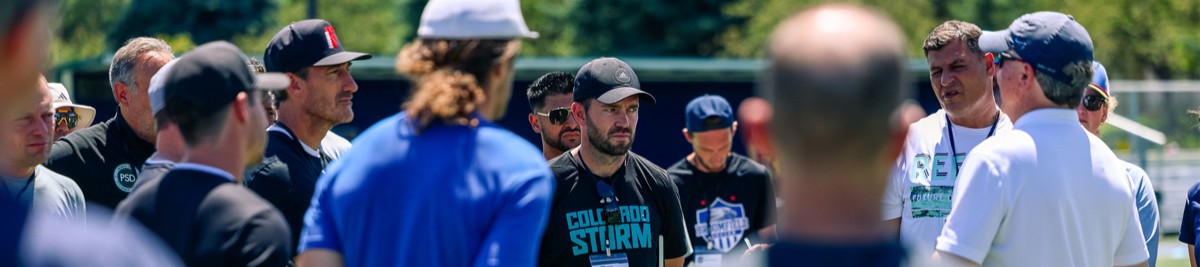
The first Mile High Soccer Symposium is officially in the books. Over three days (June 26-28) at Regis University, coaches from across Colorado and beyond came together to learn, connect, and challenge one another alongside some of the most respected minds in the game. While the symposium featured world-class presenters from youth, collegiate, professional, and international soccer, the greatest takeaway wasn't a single presentation—it was the community that was created. Coaches shared meals together. They debated ideas between sessions. They analyzed FIFA World Cup matches. They watched elite coaches bring ideas to life on the field. They built relationships that will continue long after the weekend ended. That was always the vision. The symposium wasn't designed to be another coaching conference. It was designed to become an annual gathering where coaches invest in themselves so they can create better environments for the players they serve. Throughout the weekend, one message continued to emerge: Better coaches create better learning environments. Better learning environments help develop better players while ensuring kids continue to love the game.