

News & Updates
Health & Wellness Spotlights from Previous Months
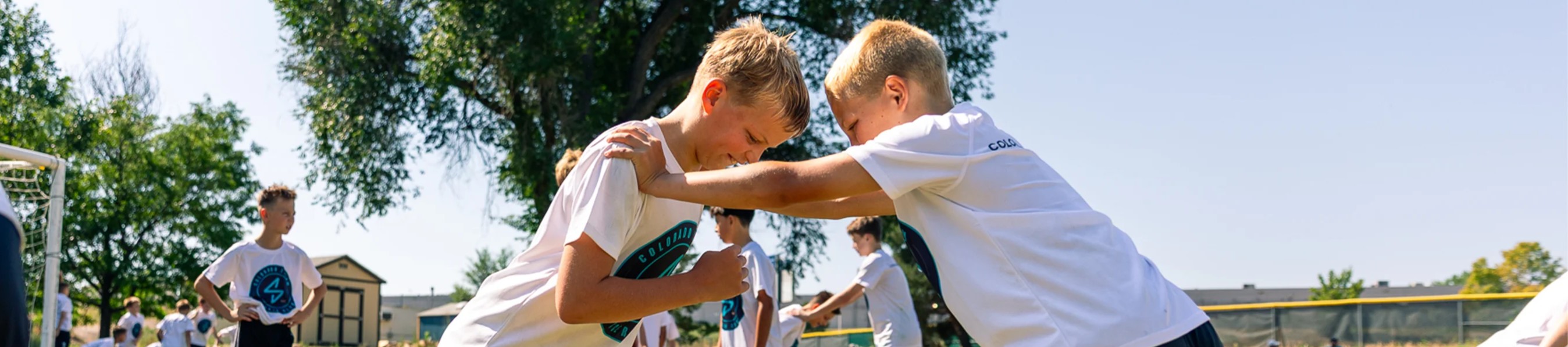
Are You Ready for Fall Soccer? A Preseason Readiness Checklist
As fall soccer is just around the corner, many athletes are excited to jump back into practices, tryouts, and the fall soccer season. While it's tempting to go from summer break straight into full-speed training, taking a little time to prepare your body can make a big difference in both performance and injury prevention. As Colorado Storm's Head Athletic Trainer, one of the biggest trends I see each year is athletes returning to the field before they're physically ready. The good news? A little preparation now can help you stay healthy and perform your best all season long. Ask Yourself These Five Questions Have You Stayed Active This Summer? You don't need to be in peak soccer shape, but your body should be accustomed to regular activity before preseason begins. If you've taken a few weeks off, ease back into training gradually rather than jumping into multiple intense sessions in one week. Goal: Build your activity level over 2–3 weeks before preseason. Can You Move Well? Mobility is often overlooked but is essential for sprinting, cutting, and changing direction. Pay special attention to your: - Hip mobility - Hamstring flexibility - Calf flexibility - Ankle mobility If something feels unusually tight or restricted, address it before practices become more demanding. Are You Strong Enough? Soccer requires strength just as much as endurance. Strong muscles help protect your joints and reduce your risk of injury. Focus on exercises like: - Squats - Lunges - Single-leg balance exercises - Glute strengthening - Core stability work These movements build the foundation for powerful and safe movement on the field. Are You Fueling and Hydrating Properly? Colorado's dry climate makes dehydration happen faster than many athletes realize. Before preseason: - Drink water consistently throughout the day—not just at practice. - Eat balanced meals with carbohydrates and protein. - Refuel within 30–60 minutes after training. Good nutrition helps your body recover and prepares you for the next workout. Are You Sleeping Enough? Recovery happens when you sleep. School schedules often mean athletes lose sleep once the season begins, so establish healthy habits now. Aim for 8–10 hours of sleep each night for teen athletes. Better sleep improves reaction time, decision-making, recovery, and overall performance. Listen to Your Body A little soreness after returning to training is normal. Sharp pain, swelling, limping, or pain that doesn't improve after a day or two is not. The sooner an issue is addressed, the less likely it is to become something that keeps you off the field. Final Thoughts Preparing for the season isn't just about being in shape—it's about giving your body the best chance to stay healthy throughout the year. Take a little extra time now to build your fitness gradually, prioritize recovery, and listen to what your body is telling you. Your future self will thank you when you're able to spend more time playing and less time recovering from preventable injuries. If you have questions about an injury, soreness that won't go away, or want guidance on safely returning to training, don't hesitate to reach out. I'm here to help keep Colorado Storm athletes healthy, confident, and on the field all season long.

Julie Graves
Jul 31 2026
Julie Graves
Jul 31 2026
Colorado Storm Health & Performance Update
As we get into the swing of summer soccer, many players are eager to jump into camps, tournaments, and other sports. While staying active is important, the off-season is also a critical time for recovery, growth, and injury prevention. Why the Off-Season Matters Young athletes often play soccer year-round, which can increase the risk of overuse injuries such as knee pain, heel pain (Sever's disease), shin splints, and stress injuries. The off-season provides an opportunity for the body to recover, rebuild strength, and prepare for the next season. Three Keys to a Healthy Summer Rest and Recover: Sports medicine experts recommend that youth athletes take breaks from organized soccer throughout the year. A few weeks with reduced soccer-specific activity allows growing bones, muscles, and tendons to recover from repetitive stress. Players don't need to be inactive—swimming, biking, hiking, and recreational play are excellent alternatives that keep kids moving while giving soccer-specific muscles a break. Build Strength and Stability: Summer is the ideal time to improve athleticism. Focus on: Bodyweight squats and lunges Core strengthening exercises Balance training Jumping and landing mechanics Hip and glute strengthening Improved strength helps reduce the risk of ACL injuries and other common soccer-related injuries. Stay Hydrated in Colorado's Climate: Colorado's dry air and higher elevation can increase fluid loss, even when temperatures feel comfortable. Hydration tips: Drink water throughout the day, not just during physical activity. Begin activities well-hydrated. Take regular water breaks during outdoor play. Watch for signs of dehydration, including headache, dizziness, fatigue, or muscle cramps. Watch for Growth Spurts Summer is a common time for rapid growth in young athletes. Parents should monitor for: Persistent heel pain Knee pain below the kneecap Increased muscle tightness Changes in coordination These can be normal during growth spurts, but should be evaluated if symptoms persist or interfere with activity. Summer Challenge Players can improve their soccer performance by aiming for: 60 minutes of physical activity daily 8–10 hours of sleep each night Strength training 2–3 times per week At least one full rest day each week A balanced summer helps athletes return healthier, stronger, and more prepared for the fall season. Remember: The best players aren't always the ones who train the most—they're often the ones who recover the best. Have a safe, active, and healthy Colorado summer!
Julie Graves
Jun 29 2026
Julie Graves
Jun 29 2026

Should Kids Play Soccer Year-Round? What Parents Need to Know
For many Colorado soccer families, the question comes up every summer: Should my child keep playing soccer year-round, or take a break? With club leagues, camps, private training, futsal, and tournaments available almost every month of the year, it can feel like players need to stay constantly active to “keep up.” But sports performance experts, coaches, and even professional athletes agree on one important thing: Young athletes need balance. Here’s what parents should know when deciding how much soccer is healthy during the off-season. The Benefits of Year-Round Soccer There are advantages to continued training during summer months, especially when it’s done in moderation. Players who stay active often: Maintain technical skills and fitness Build confidence through repetition Continue developing game awareness Stay connected with teammates and coaches Enter fall season feeling prepared For highly motivated players, summer can also be a great time to improve weaker areas like first touch, passing accuracy, or finishing. But more soccer is not always better. The Risks of Playing Too Much One of the biggest concerns in youth sports today is burnout. When kids play the same sport nonstop without rest, they may experience: Physical fatigue or overuse injuries Mental exhaustion Increased stress and pressure Loss of motivation Decreased enjoyment of the game This is especially important in Colorado summers, where heat, altitude, and packed tournament schedules can add extra strain on young athletes. If a player starts saying things like: “I’m tired of soccer.” “I don’t want to go to practice.” “I only play because I have to.” …it may be a sign they need recovery time, not more training. Why Multi-Sport Athletes Often Thrive Many coaches actually encourage younger players to participate in multiple sports. Sports like basketball, swimming, baseball, tennis, track, or volleyball can help athletes: Develop different movement patterns Improve coordination and balance Reduce repetitive stress injuries Build overall athleticism Stay mentally fresh Research continues to show that many elite athletes did not specialize in one sport at a young age. For younger players especially, variety can be extremely beneficial. What Does a Healthy Soccer Off-Season Look Like? A balanced off-season usually includes: Time for physical recovery Unstructured free play Light skill work Fun camps or pickup games Family vacations and downtime Optional cross-training or other sports Not every summer activity needs to be intense or competitive. Sometimes the best development happens when kids simply enjoy the game again. Signs Your Child Has a Healthy Balance Parents should look for signs that soccer is still positive and enjoyable. Healthy signs include: Excitement to attend practices Energy during games Motivation to improve Good sleep and recovery Positive attitude around soccer The goal is long-term development — not short-term burnout. Final Thoughts Every player is different. Some kids love year-round soccer, while others benefit from stepping away for part of the summer. The most important thing is finding a balance that keeps players: Healthy Confident Motivated Excited to return in the fall Because the best players are often the ones who still love the game years later.
Julie Graves
May 28 2026
Julie Graves
May 28 2026

The Importance of a Proper Warm-Up (Especially in Spring Soccer)
As players play outdoor soccer this spring in Colorado, one of the most important—and often overlooked—tools for staying healthy is a proper warm-up. Cool temperatures, unpredictable weather, and early-season fitness levels all increase the risk of injury. Muscles that aren’t fully warmed up are more prone to strains, and joints aren’t prepared for the cutting, sprinting, and contact that soccer demands. The good news: a structured warm-up routine can significantly reduce injury risk and improve performance. What Makes a Good Warm-Up? An effective warm-up does more than just “get a sweat going.” It should include: Dynamic movement (not static stretching) Muscle activation and core stability Balance and coordination work Progressive running and change of direction For players U13 and older, we recommend following a structured injury prevention program like the one outlined here: A Simple 3-Part Warm-Up to Follow 1. Dynamic Stretching (Get Moving First) Instead of standing stretches, players should move continuously across the field performing exercises like: Leg cradle Straight leg march Quad stretch High knees and butt kicks These movements help increase blood flow and prepare muscles for activity. 2. Strength & Plyometric Activation (Build Stability) This phase focuses on core strength, balance, and controlled jumping/landing: Side planks and walkout bridges Balance drills on one foot Controlled jumping (progressing to single-leg work) These exercises are key for reducing common injuries like ankle sprains and knee injuries by improving control and stability. 3. Running & Movement Prep (Get Game-Ready) Finish with more soccer-specific movement: Walking lunges Sprinting and backpedaling Side shuffles and bounding This prepares players for the speed, direction changes, and contact they’ll experience in games. Why It Matters Research consistently shows that structured warm-up programs can reduce injury rates in youth soccer players. But the key is consistency—this routine should be done before every practice and game, not just occasionally. Takeaway for Players & Parents If there’s one habit to build this season, it’s this: Don’t skip the warm-up. A 10–15 minute structured routine can be the difference between staying healthy all season and missing time due to injury.
Julie Graves
Apr 30 2026
Julie Graves
Apr 30 2026

Early-Season Heat Illness: The Hidden Risk in Spring Soccer
March soccer in Colorado isn’t supposed to feel like mid-summer but this year, it does. And that creates a problem most parents and coaches don’t see coming: Heat illness early in the season is more dangerous than heat later in the summer. Why? Because young athletes aren’t acclimated yet. Why Early-Season Heat Is Riskier After a winter of lower activity and cooler temperatures, kids’ bodies aren’t prepared to regulate heat efficiently. That means: They sweat less effectively Their bodies heat up faster Fatigue hits earlier than expected Even if the temperature doesn’t seem extreme, the combination of sun, altitude, and dry air in Colorado can quickly push athletes toward dehydration and overheating. Signs of Heat Illness (That Often Get Missed) Heat illness doesn’t always look dramatic at first. Watch for: Unusual fatigue or slowing down Headache or dizziness Nausea or stomach discomfort Muscle cramps Irritability or confusion If a player looks “off,” don’t wait, pull them out and cool them down immediately with ice bags in the armpits, back of neck, and crotch area Heat Exhaustion vs. Heat Stroke Heat Exhaustion: Heavy sweating, weakness, dizziness Heat Stroke (Emergency): Confusion, vomiting, no sweating, collapse If symptoms escalate or don’t improve quickly, seek medical help immediately. Hydration: It Starts Before the Game One of the biggest mistakes? Waiting until kids are thirsty. By then, they’re already behind. Simple rule: Hydrate before practice/game Drink regularly during breaks Rehydrate after play And remember, Colorado’s dry air means kids can dehydrate without obvious sweating. Simple Ways to Reduce Risk Take more frequent water breaks Use shade whenever possible Cool down with ice towels or wet cloths Adjust intensity, not every practice needs to be max effort The Big Takeaway Heat illness isn’t just a summer issue, and it’s not just about “toughing it out.” Early-season heat catches athletes off guard. Recognizing it early and responding quickly can prevent serious health risks, and keep kids safely on the field all season. Bottom Line If it feels hotter than it should for March, it probably is. And that means it’s time to treat every practice and game like a hot-weather event, because your athletes’ bodies aren’t ready yet, even if the calendar says they should be.
Julie Graves
Mar 26 2026
Julie Graves
Mar 26 2026

Load, Growth & Injury Prevention
In this blog post, CRYSC Head Athletic Trainer Julie Graves explains how sudden increases in training load—especially during the winter-to-spring transition—can increase injury risk for youth soccer players. With guidance on managing workload, supporting recovery, and navigating growth spurts, this resource helps families keep athletes healthy as activity ramps up. Below is your CRYSC Load, Growth & Injury Prevention Guide, featuring key strategies to help players build safely, reduce injury risk, and stay strong throughout the season. For any Sports Medicine questions or concerns, please reach out to our Head Athletic Trainer, Julie Graves, at julie.graves@rapidsyouthsoccer.org.
Julie Graves
Feb 24 2026
Julie Graves
Feb 24 2026

Winter Injury Prevention
In this blog post, CRYSC Head Athletic Trainer Julie Graves shares practical guidance on keeping players healthy throughout winter training. With a focus on common injury risks, proper warm-ups, strength and balance work, and smart recovery habits, this resource helps athletes and families reduce injury risk and prepare confidently for the spring season. Below is your CRYSC Winter Training Health Guide, featuring tips on injury prevention, managing training load, and staying strong and resilient all winter long. For any Sports Medicine questions or concerns, please reach out to our Head Athletic Trainer, Julie Graves, at julie.graves@rapidsyouthsoccer.org.
Julie Graves
Jan 29 2026
Julie Graves
Jan 29 2026
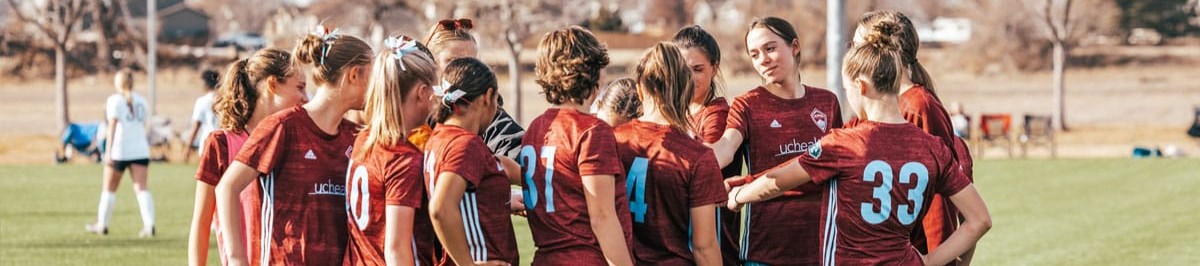
Off-Season Guide: Staying Strong, Healthy, & Game-Ready This Winter
In this blog post, CRYSC Head Athletic Trainer Julie Graves shares a winter off-season guide focused on staying healthy, building strength, and preventing injuries. Highlighting the importance of rest, cross-training, and a basic strength routine, this resource helps athletes use the winter months to recover, stay fit, and return to spring soccer stronger and safer. Below is your CRYSC Off-Season Health and Performance Guide with tips for injury prevention, cross-training, and staying in shape all winter long. For any Sports Medicine questions or concerns, please reach out to our Head Athletic Trainer, Julie Graves, at julie.graves@rapidsyouthsoccer.org. Off-Season Guide: Staying Strong, Healthy, & Game-Ready This Winter As we shift into the winter months, many players enjoy a well-deserved break from the demands of practices, games, and tournaments. While downtime is important for recovery, the off-season is also a crucial window for building strength, preventing injuries, and maintaining overall fitness. A smart winter routine can set your athlete up for a successful and safer spring season. 1. Prioritize Recovery First Before adding new workouts, make sure your athlete’s body has had time to rest and reset. Why rest matters: Allows muscles, tendons, and joints to repair from a long season Helps prevent overuse injuries like shin splints, hip flexor strains, and knee pain Supports mental recovery and prevents burnout Recommended: Take 1–2 weeks of low-impact activity after the final game Prioritize sleep (9–11 hours for youth athletes) Light mobility sessions or easy walks 2. Cross-Training: The Secret to Staying Fit & Injury-Free Soccer players benefit from developing a range of movement patterns, not just kicking, sprinting, and cutting. Cross-training builds balanced strength and reduces the risk of repeat injuries. Great winter cross-training options: Swim Training – Improves aerobic fitness without joint stress Biking or Indoor Cycling – Builds leg endurance and is great for athletes returning from injury Strength Training – Increases power, stability, and reduces injury risk Basketball / Volleyball / Gym Sports – Helps agility, reaction time, and coordination Skiing / Snowboarding (if experienced) – Enhances lower-body strength and balance Frequency: 2–3x per week, mixing cardio and strength work 3. Build a Winter Strength Foundation The off-season is the best time to build strength because athletes aren’t overloaded with practices and games. Key areas to focus on: Core stability → improves balance and reduces low back/hip injuries Glute strength → protects knees during cutting, decelerating, and jumping Hamstrings & hip flexors → essential for sprinting power Ankle & foot strengthening → prevents sprains and overuse issues Sample 20-Minute Winter Strength Circuit (2–3x/week): Glute bridges – 2×15 Side planks – 2×30 sec each side Bodyweight squats – 2×15 Single-leg Romanian deadlifts – 2×10 each Calf raises – 2×20 Dead bugs – 2×10 each side This routine builds the foundational strength needed for a healthy return in March. 4. Keep Mobility & Flexibility in the Mix Cold weather = tighter muscles. Consistent mobility work reduces strains during the early spring ramp-up. Focus on: Hip flexors Quads Hamstrings Calves Ankles Tip: Dynamic mobility before activity, static stretching at the end of the day. 5. Maintain Aerobic Fitness Without the Grind Your athlete doesn’t need to run long distances all winter, but maintaining a cardio base helps them avoid fatigue-related injuries in the spring. Easy winter conditioning ideas: 20–30 minute brisk walk Light jog on weekends Rowing machine, if available Interval training 1–2x/week (i.e., 30 seconds run, 30 seconds walk x 10) 6. Nutrition Matters Even When the Season Pauses Healthy winter habits keep immune systems strong and energy levels consistent. Winter nutrition priorities: Lean proteins for muscle repair Omega-3 rich foods (salmon, walnuts, chia seeds) for anti-inflammatory support Fruits & vegetables for vitamins and immunity Hydration: even though athletes don’t “feel” as thirsty in the cold Tip: A good guideline is half your body weight in ounces of water daily. 7. Mental Reset & Goal Setting This is the perfect time to reflect and look ahead. Encourage athletes to ask: What went well this season? What do I want to improve by spring? What habits can I build now to get there? A clear plan builds motivation and confidence. 8. When to Reach Out for Injury Support If your athlete finished the season with aches, strains, or lingering pain, winter is the ideal time to address it—before tryouts, ID sessions, and spring practices start. Players and families can reach out directly to me for: Injury evaluations Return-to-play guidance Customized rehab programs Referrals to UCHealth/CU Orthopedics if needed Your athlete deserves a fresh, healthy start in 2025, and that begins now. The off-season doesn’t need to be intense; it just needs to be intentional. With the right mix of rest, cross-training, strength work, and healthy habits, athletes will return confident, fit, and ready for a great spring season. If you have any questions or want help building a winter plan for your player, I’m here to support your family every step of the way.
Julie Graves
Nov 20 2025
Julie Graves
Nov 20 2025
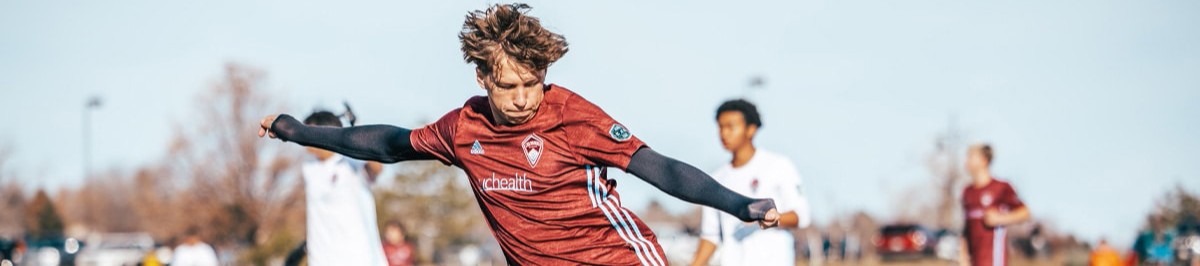
Mid-Season Health & Performance Tips
In this blog post, CRYSC Head Athletic Trainer Julie Graves shares tips for staying healthy and performing your best as cold weather sets in. Covering everything from hydration and warm-ups to stretching, preventing overuse injuries, and recovery, this guide will help you navigate every step of staying strong and injury-free. UCHealth + CU Sports Medicine and Orthopedics has a variety of different locations to help your child get back to the soccer field at 100%. If this is something you think your child may be dealing with, please reach out to our Head Athletic Trainer, Julie Graves at julie.graves@rapidsyouthsoccer.org, for assistance. Below are the mid-season health and performance tips. Mid-Season Health & Performance Tips As temperatures drop and the season hits its stride, it’s important for players to stay warm, healthy, and strong. Below are a few key reminders to keep your athlete performing their best during cold-weather play. Hydration Still Matters in the Cold Just because it’s cold doesn’t mean hydration stops being important. Players often drink less water in cooler weather, but their bodies still lose fluids through sweat and breathing. Encourage your athlete to sip water throughout the day — not just at practice — and aim for clear or light-yellow urine as a hydration goal. Adding a warm electrolyte drink or decaf tea can make staying hydrated easier when it’s chilly out. Importance of a Proper Warm-Up in Cold Weather Cold muscles are tight muscles — and tight muscles are more prone to injury. A dynamic warm-up (like leg swings, high knees, lunges, and arm circles) increases heart rate, circulation, and muscle temperature before activity. Players should aim for at least 10–12 minutes of movement-based warm-up before touching the ball. Coaches and parents can help by ensuring athletes arrive early and stay bundled until warm-up begins. Static vs. Dynamic Stretching Refresher Dynamic stretching = moving through a range of motion to get muscles warm (best before activity). Examples: walking lunges, butt kicks, skips, and side shuffles. Static stretching = holding a stretch for 20–30 seconds to lengthen the muscle (best after activity). Examples: hamstring stretch, quad pull, calf stretch. Think of it this way: dynamic warms you up, static cools you down. Managing Overuse Injuries Mid-Season As training and games stack up, overuse injuries become more common — especially shin splints, hamstring strains, and hip flexor pain. These often result from fatigue, muscle imbalances, or poor recovery habits. Rotate footwear if possible (especially for players training on turf and grass). Prioritize rest days. Foam roll sore areas daily. Report any consistent pain that lasts more than a few days — don’t push through it. Early attention can prevent weeks of downtime later. Rehab & Recovery Tips During Heavy Game Weeks Active recovery: light jogging, biking, or stretching on off days. Sleep: 8–10 hours per night for full muscle recovery and focus. Nutrition: protein within 30–60 minutes after games, and balanced meals throughout the week. Recovery tools: foam rolling, ice baths, Epsom salt soaks, or simple rest days are all great options. Remind players that recovery isn’t being lazy — it’s part of training smart.
Julie Graves
Oct 28 2025
Julie Graves
Oct 28 2025

Growing Bodies, Growing Risks
In this blog post, CRYSC Head Athletic Trainer Julie Graves helps you understand growth plate injuries and overuse in young athletes. From recognizing signs of injury and prevention, the blog below will assist you through every part of the healing process. By emphasizing pain-free progressions and a gradual return to play, this is your roadmap to a resilient and sustainable recovery. UCHealth + CU Sports Medicine and Orthopedics has a variety of different locations to help your child get back to the soccer field at 100%. If this is something you think your child may be dealing with, please reach out to our Head Athletic Trainer, Julie Graves at julie.graves@rapidsyouthsoccer.org, for assistance. Below is the at-home rehab program for wrist and hand injuries for 13U-19U players. Understanding Growth Plate Injuries & Overuse in Young Athletes As we reach the middle of the season, many of our players are putting in extra effort at practices and games — and that’s something to celebrate! But growing bodies come with unique risks, especially when it comes to growth plate injuries and overuse issues. What Are Growth Plates? Growth plates are areas of developing cartilage at the ends of children’s bones. They are softer and more vulnerable than adult bone, making them more likely to be injured. Most growth plates close by late adolescence, but until then, they are a common site of sports-related injuries. Signs of Growth Plate Injuries Parents should watch for: persistent pain near joints (especially knees, ankles, wrists), swelling or tenderness, difficulty bearing weight, limping or favoring one side, and pain that worsens with activity but improves with rest. If these symptoms appear, it’s important to see a medical professional rather than encouraging kids to “push through.” The Problem of Overuse Unlike a sudden sprain or break, overuse injuries happen gradually. Playing soccer year-round, overlapping school and club teams, or skipping rest days can put too much stress on growing bones and joints. Common overuse conditions include Sever’s Disease (heel pain in growing athletes), Osgood-Schlatter Disease (knee pain from repetitive jumping/running), and stress fractures. Prevention Tips for Parents You can help reduce risks by encouraging variety (multiple sports instead of just soccer), scheduling rest days (at least one per week and longer breaks between seasons), supporting proper warm-up and cool-down routines, focusing on well-fitted soccer cleats, and teaching kids to speak up about pain early. The Bottom Line Youth sports should be about fun, growth, and long-term health. By keeping an eye on growth plate health and preventing overuse, we can help our young athletes stay strong and safe — both this season and for many more to come. Thank you for supporting your player’s journey both on and off the field! Stay healthy!
Julie Graves
Sep 25 2025
Julie Graves
Sep 25 2025

Jameson McCabe Named July 2026 UCHealth Player of the Month!
Jameson is a part of our North Adaptive Soccer program, where he is known to be silly, fast, and always willing to give his best. Jameson enjoys seeing his volunteer buddy each week, learning new soccer skills, and being part of a team. Through the Adaptive program, he has grown more confident participating in larger groups, overcoming his fear of playing near others and feeling comfortable joining activities without pressure or expectations. Off the field, Jameson's confidence has continued to grow in the classroom, where he is more willing to raise his hand, answer questions, and participate in group activities. Outside of soccer, he loves fishing, swimming, playing with his younger brother, watching movies, and spending time with animals. This August, Jameson will be presented with a plaque and a gift card to acknowledge his achievements. We spoke with Jameson to learn a bit more about him. Check out the full interview below!

Storm Staff
Jul 31 2026
Storm Staff
Jul 31 2026
Are You Ready for Fall Soccer? A Preseason Readiness Checklist
As fall soccer is just around the corner, many athletes are excited to jump back into practices, tryouts, and the fall soccer season. While it's tempting to go from summer break straight into full-speed training, taking a little time to prepare your body can make a big difference in both performance and injury prevention. As Colorado Storm's Head Athletic Trainer, one of the biggest trends I see each year is athletes returning to the field before they're physically ready. The good news? A little preparation now can help you stay healthy and perform your best all season long. Ask Yourself These Five Questions Have You Stayed Active This Summer? You don't need to be in peak soccer shape, but your body should be accustomed to regular activity before preseason begins. If you've taken a few weeks off, ease back into training gradually rather than jumping into multiple intense sessions in one week. Goal: Build your activity level over 2–3 weeks before preseason. Can You Move Well? Mobility is often overlooked but is essential for sprinting, cutting, and changing direction. Pay special attention to your: - Hip mobility - Hamstring flexibility - Calf flexibility - Ankle mobility If something feels unusually tight or restricted, address it before practices become more demanding. Are You Strong Enough? Soccer requires strength just as much as endurance. Strong muscles help protect your joints and reduce your risk of injury. Focus on exercises like: - Squats - Lunges - Single-leg balance exercises - Glute strengthening - Core stability work These movements build the foundation for powerful and safe movement on the field. Are You Fueling and Hydrating Properly? Colorado's dry climate makes dehydration happen faster than many athletes realize. Before preseason: - Drink water consistently throughout the day—not just at practice. - Eat balanced meals with carbohydrates and protein. - Refuel within 30–60 minutes after training. Good nutrition helps your body recover and prepares you for the next workout. Are You Sleeping Enough? Recovery happens when you sleep. School schedules often mean athletes lose sleep once the season begins, so establish healthy habits now. Aim for 8–10 hours of sleep each night for teen athletes. Better sleep improves reaction time, decision-making, recovery, and overall performance. Listen to Your Body A little soreness after returning to training is normal. Sharp pain, swelling, limping, or pain that doesn't improve after a day or two is not. The sooner an issue is addressed, the less likely it is to become something that keeps you off the field. Final Thoughts Preparing for the season isn't just about being in shape—it's about giving your body the best chance to stay healthy throughout the year. Take a little extra time now to build your fitness gradually, prioritize recovery, and listen to what your body is telling you. Your future self will thank you when you're able to spend more time playing and less time recovering from preventable injuries. If you have questions about an injury, soreness that won't go away, or want guidance on safely returning to training, don't hesitate to reach out. I'm here to help keep Colorado Storm athletes healthy, confident, and on the field all season long.
Julie Graves
Jul 31 2026
Julie Graves
Jul 31 2026

Mile High Soccer Symposium 2026
The first Mile High Soccer Symposium is officially in the books. Over three days (June 26-28) at Regis University, coaches from across Colorado and beyond came together to learn, connect, and challenge one another alongside some of the most respected minds in the game. While the symposium featured world-class presenters from youth, collegiate, professional, and international soccer, the greatest takeaway wasn't a single presentation—it was the community that was created. Coaches shared meals together. They debated ideas between sessions. They analyzed FIFA World Cup matches. They watched elite coaches bring ideas to life on the field. They built relationships that will continue long after the weekend ended. That was always the vision. The symposium wasn't designed to be another coaching conference. It was designed to become an annual gathering where coaches invest in themselves so they can create better environments for the players they serve. Throughout the weekend, one message continued to emerge: Better coaches create better learning environments. Better learning environments help develop better players while ensuring kids continue to love the game.