
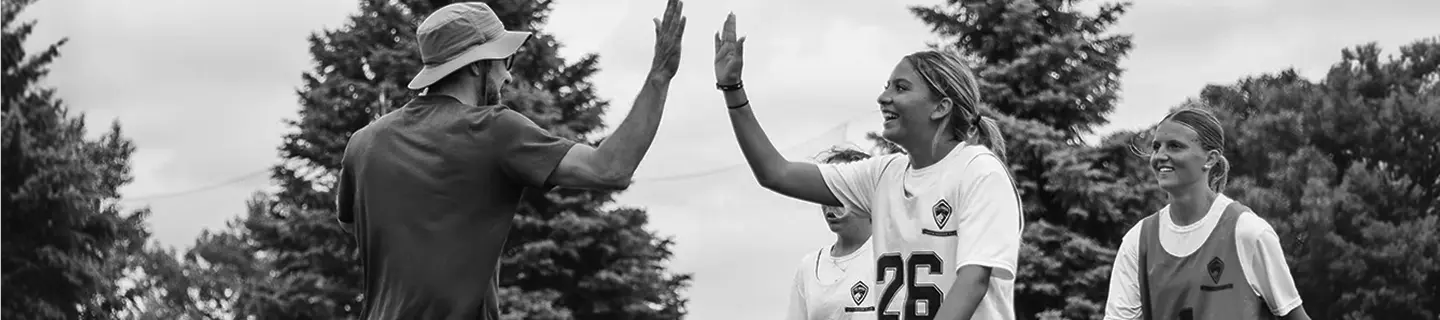
News & Updates
Education Spotlights from Previous Months
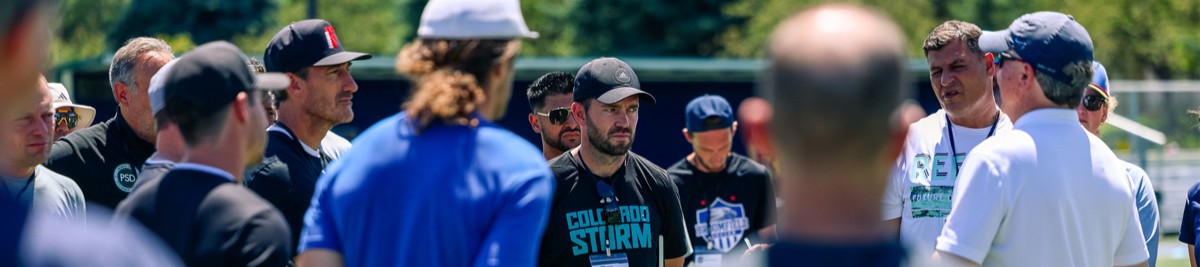
Mile High Soccer Symposium 2026
The first Mile High Soccer Symposium is officially in the books. Over three days (June 26-28) at Regis University, coaches from across Colorado and beyond came together to learn, connect, and challenge one another alongside some of the most respected minds in the game. While the symposium featured world-class presenters from youth, collegiate, professional, and international soccer, the greatest takeaway wasn't a single presentation—it was the community that was created. Coaches shared meals together. They debated ideas between sessions. They analyzed FIFA World Cup matches. They watched elite coaches bring ideas to life on the field. They built relationships that will continue long after the weekend ended. That was always the vision. The symposium wasn't designed to be another coaching conference. It was designed to become an annual gathering where coaches invest in themselves so they can create better environments for the players they serve. Throughout the weekend, one message continued to emerge: Better coaches create better learning environments. Better learning environments help develop better players while ensuring kids continue to love the game.

April Technical Update: See It. Support It. Shape It.
As we move deeper into the spring season, this is where development becomes visible. Training sessions are consistent. Games are providing real context. Habits are forming. This month, we focus on two connected ideas that shape how players grow: Player Assessment – Seeing the game more clearly Responsibility & Initiative – Owning the journey Player Assessment: Seeing the Game More Clearly Player assessment is a focus in our Technical Integration Calendar this month. But let’s be clear—this is not about filling out forms or labeling players. At CRYSC, assessment is an ongoing process, not an event. It’s how we observe, interpret, and respond to what players are doing in real moments. It sits inside the continuous cycle of development: assess → plan → act → reflect We evaluate our players through the lens of the Key Qualities of a Self-Regulating Player, with Game Understanding & Decision-Making as the anchor—because soccer is a decision-making game. What Are You Actually Looking For? As you watch your players this month, focus your attention on three areas: Game Understanding & Decision-Making What cues are players recognizing? What decisions are they making in the game? Are they adapting based on the situation, or repeating the same action? Technical & Physical Execution Can they execute the action they’ve chosen? What happens under pressure, speed, and fatigue? Mindset & Competitive Mentality How do they respond to mistakes or adversity? Are they showing a willingness to learn and improve? Shifting the Lens This work requires intention. Are you watching the ball… or the players? Are you noticing outcomes… or the decisions that led to them? When we shift our lens, we shift our coaching. We move from reacting to moments… to understanding patterns. From Observation to Action: The Check & Adapt Process Assessment only matters if it changes what we do next. Check: What is the player showing you right now? Adapt: How can you adjust the environment to meet their needs? That might mean adjusting space, numbers, constraints, or your coaching intervention. Our goal is to keep every player in a state of positive struggle—where the challenge stretches them, but doesn’t overwhelm them. Player Assessments: Turning Reflection into Growth Midseason check-ins are more than progress reports—they’re opportunities to help players think about their own growth. When coaches and players reflect together using our Key Qualities (KQs) framework, we focus on effort, learning, and mindset—not just results. For Players Reflect on what you’ve improved and what you’re still working toward Think about how the Key Qualities—like Responsibility, Learning Ability, and Competitive Mentality—show up in training and games Set one small goal for the next month Use these tools to guide your reflection: Rising Rapids KQ Checklist: Read Here Competitive KQ Checklist: Read Here National Platforms KQ Checklist: Read Here For Coaches Use short, intentional check-ins to connect with each player Ask open-ended questions that encourage self-assessment: “What are you most proud of so far?” “What’s one thing you want to do better next week?” Link the player’s reflection to their learning plan or position profile Want to go deeper? Explore an ElevatED Micro-Course: Register For Parents: Supporting Player Development You play an important role in this process. You can support your player by focusing on learning rather than outcomes: “What did you learn today?” “What did you see in that moment?” Celebrate effort, curiosity, and growth. When players feel supported in how they learn—not just how they perform—they develop confidence and resilience over time. Responsibility & Initiative: Owning the Journey If player assessment helps us understand where a player is, Responsibility & Initiative helps them decide where they’re going. This Key Quality is about ownership. We want players who: Take responsibility for their development Stay engaged through challenges Show initiative in small moments Responsibility doesn’t mean perfection. It means awareness + action. How Coaches Bring This to Life As coaches, we create the conditions for ownership to grow. This might look like: Giving players opportunities to make decisions Asking questions instead of always giving answers Allowing space for mistakes and learning Reinforcing effort, initiative, and problem-solving Ownership is not told—it’s developed through experience. Connecting Back to Assessment When players begin to: Reflect on their performance Recognize their strengths and gaps Set small goals They begin to take ownership of their journey. This is how we move from coach-led environments to player-driven learning. For Parents: Supporting Responsibility & Initiative Parents are key partners in developing ownership. You can support your player by: Encouraging them to take responsibility for their preparation (I.e, pack their own soccer bag) Asking reflective questions instead of giving instructions (and be patient for their answers) Allowing them to solve problems on their own (realize that mistakes are key to learning) Recognizing effort and initiative—not just performance (this is what they can control) Simple questions go a long way: “What are you working on right now?” “What’s one thing you want to improve?” When players are trusted to take ownership, they grow in confidence, independence, and resilience. Final Thought When we help players: Understand the game Reflect on their experiences Take ownership of their growth We are developing more than just soccer players—we are developing learners for life and creating our purpose of “The Heart Behind The Crest.”
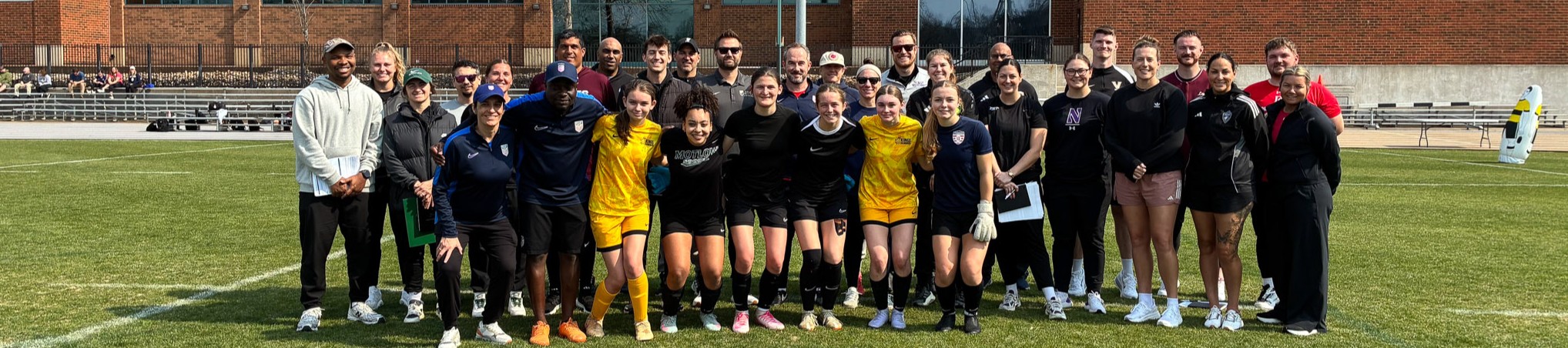
Developing Remarkable Coaches: Investing in People, Learning, & Growth
At Colorado Rapids Youth Soccer Club, we believe that developing remarkable coaches starts with investing in people—their learning, their experiences, and their individual journeys. Each coach is encouraged to build their own Individual Development Plan (IDP), identifying areas for growth and seeking out opportunities that stretch their thinking and practice. As a club, our role is to support that journey. Whether it’s through our Learning Management System, in-house workshops, or being the #1 club in the country hosting formal U.S. Soccer education, we aim to create an environment where coaches feel both supported and challenged to grow. We also reimburse coaches for education through our Coach Development Agreement. One of the ways we do this is by providing access to nearly the full U.S. Soccer Coaching Education pathway—right here in our own community. From Grassroots to the B License course, our coaches don’t have to look far to find high-quality learning opportunities. Kat Liebetrau is a great example of this in action. She completed her D License course with me last year, and it’s been great to see her continue to lean into her learning, seek out new experiences, and apply those insights back into her coaching environment. Her recent experience with U.S. Soccer is a reflection of what it looks like when a coach takes ownership of their development and continues to grow. Below, Kat shares her reflections from the USWNT Goalkeeping Experience:

January Focus: Our Training Methodology in Winter
Smaller spaces. More decisions. Better learning. January is when our Training Methodology faces challenges like training in tight spaces (indoors) or facing winter cold, which require keeping players moving and engaged to stay warm. As winter weather pushes us indoors or into tighter spaces, our environments naturally shift — and that’s not something to work around. It’s something to lean into. At CRYSC, we don’t change what we believe when conditions change. We apply our methodology with greater clarity. We use what we have available to us; later in the year, when we have more field space, we should maximize it using the concept of functional training. However, in the winter, we face some constraints. What This Means for Coaches Winter training should amplify the beliefs we value most: High player involvement (opportunities to make decisions and use skills) Decision-making under pressure or within context Learning through game-like experiences (hide the learning inside the fun of the game) Short feedback loops and repeated problem-solving That’s why winter is an ideal time to prioritize: 1v1, 2v2, and 3v3 formats Multiple small fields instead of one large one Clear tactical problems players solve together Smaller games don’t simplify learning — they intensify it. How Winter Strengthens Our Methodology 1. More Reps, More Learning Small-sided games create: More touches More transitions More emotional moments Players experience success, failure, and adjustment every few seconds, not every few minutes. These fast feedback loops accelerate learning and build confidence through action. 2. Clear Tactical Problems Winter is not about layering complexity — it’s about clarity. Examples: How do we beat a defender in tight space? Where do we move to support the ball? When should we drive vs. combine? How do we defend together when space is limited? These problems align directly with our Game Model and Key Qualities, especially Growth Mindset (trying, adjusting, trying again) and Competitive Mentality (engaging, persisting, competing with purpose). 3. Environment First, Coach Second In winter settings: Design the game to do the teaching Adjust space, numbers, or scoring before stopping play Use brief cues and questions that return players to the game If the environment is right, players will show up with the right behaviors — and learning becomes more durable. Your January Coaching Lens As you plan sessions this month, ask yourself: Are players involved every minute? Are they solving problems together in small groups? Does the game still look and feel like soccer for this age group? Go Deeper with ElevatED January’s modules in ElevatED support exactly what winter demands: Designing games in tight spaces Managing challenge without over-coaching Using constraints to guide learning Supporting player autonomy through the use of guided questions Use ElevatED as a thinking partner, not an extra task. You’ll find all of these inside ElevatED, our online learning platform. Come take “CLIMB” this month and level up your skills! January Resources for Coaches To support winter planning and keep our environments aligned, we’re linking three connected resources below. These documents are designed to work together, not in isolation. 1. The How & Why of Our Training Methodology A deeper look at why we prioritize games-based learning and how to structure sessions so learning transfers to the match. This resource reinforces: Games-Based Training as our core approach Game Form and Modified Game Form as the gold standard Managing challenge through space, numbers, and rules Coaching interactions that support autonomy and ownership CLICK HERE FOR A DEEPER DIVE INTO OUR TRAINING METHODOLOGY 2. Winter Training Guide: Games-Based Training in Small Spaces Here is a practical guide for gym and turf environments that adapts existing session plans without changing our beliefs. You’ll find: 1v1 to 3v3 game examples Clear links to the Game Model and Key Qualities Safety, organization, and coaching cues for winter conditions 3. Winter Training Session Folder A shared folder of winter-ready session plans you can use, adapt, and build from. Think of these as starting points, not scripts — tools to help you design environments that keep players active, engaged, and learning. Together, these resources reinforce one message: If the environment is right, learning will take care of itself. CLICK HERE for access to 10 winter training sessions, especially indoors in a smaller space with small groups (1v1 to 3v3). Concerning safety, small-sided games help keep players active, moving, and warm. Plus, they are fun and require decision-making (Key Quality #1). How Parents Can Support the Process (Optional Share) Coaches — feel free to pass this along or reference it when needed. Parents can help by: Valuing effort and decision-making over outcomes Asking players what they tried and learned Understanding that mistakes are part of development Trusting that small games build big skills Aligned messaging helps players stay confident, curious, and engaged. One Club, One Community Winter training isn’t a pause — it’s a foundation. When we stay aligned on how we teach, our players experience consistency, clarity, and care — no matter the season. Our training sessions should meet the basic needs to have fun, develop, and belong; players should feel safe to make mistakes. Thank you for continuing to design environments where players can compete, learn, and love the game.

Zac Crawford
Jan 29 2026
Zac Crawford
Jan 29 2026

November Technical Update
CRYSC Leads the Nation in Coach Education — And It’s Just the Beginning Dear CRYSC Families, Players, and Supporters, As we close out 2025, we want to share something we’re incredibly proud of — something that sits at the core of who we are as a club: We are committed to developing remarkable coaches. Behind every great player experience is a coach who creates the environment, sets the tone, chooses the words, and inspires kids to fall in love with the game. This year, our coaching staff took enormous steps forward, and we want to celebrate them with the entire CRYSC community. 2025: A Record-Breaking Year for CRYSC Coaches This year, CRYSC doubled down on what makes us special — developing remarkable coaches. Across the Front Range, in the mountains, and even out of state, our coaches showed up in record numbers to learn, grow, and sharpen their craft. Here’s what our coaches accomplished in 2025: Grassroots Licensing (Entry Level) 30+ U.S. Soccer Grassroots Courses Total Grassroots Coaches Licensed: 411 That’s 411 coaches across CRYSC who invested in learning how to design better activities, manage safer environments, and create more joyful experiences for our youngest players. This is the foundation of our club — and we are incredibly proud of them. Advanced U.S. Soccer Licenses: D License: 5 courses, 90 coaches C License: 4 courses, 58 coaches B License: 1 course, 24 coaches Combined, these programs produced: 178 advanced learners across B, C, D, and Leadership pathways Total Coaches Educated in 2025: 589 A total of 589 CRYSC coaches stepped into formal learning this year, raising the standard for every age group, every training session, and every athlete they serve. And thousands of players felt the impact. This is who we are as a club: A place that grows great coaches. A place that invests in people. A place where learning never stops. Why We Invest So Much in Coaching We believe in something simple: When coaches get better, kids get better. When coaches care more, kids love the game more. When coaches learn, the entire club rises. This has become our niche. Our identity. Our competitive advantage. CRYSC is now one of the largest and most active coach-development hubs in the country — something we are deeply proud of and something that directly impacts the experience your players receive on the field. Strengthening Coach Education Through Partnership This year also marked an important step forward in our collaboration with AYSO (American Youth Soccer Organization). Together, we’ve worked to expand access to coach education across Colorado, aligning resources, sharing educators, and making it easier for community coaches to begin their Grassroots journey. This partnership helps us fulfill U.S. Soccer’s vision to make coach education more accessible, and it ensures that more players across the state — regardless of club or level — are guided by coaches who are equipped to create safe, fun, and development-focused environments. AYSO has been an outstanding partner, and we’re excited to continue building a unified pathway for coaches throughout Colorado in 2026 and beyond. A Year-Round Learning Culture We’re taking all of this momentum straight into 2026 with our most ambitious coach education calendar yet. Across our regions, we’ll run a full slate of GR and D License courses, giving coaches their next step after Grassroots and ensuring the developmental “escalator” continues upward. Next year, CRYSC will host two B License courses — one in the spring and one in the fall — offering some of the most advanced coach education pathways available in the country. We’ll also launch a national Winter C Course designed with college coaches in mind (but open to everyone), and we’ll add another C Course in the summer along with one more in the fall to support coaches across multiple starting points. Our Club Technical Leadership Course (CTL-1) will also return, preparing the next wave of DOCs, regional leaders, and advanced practitioners within the club. Taken together, these offerings position Colorado — and CRYSC — as a true destination for coach education. Coaches will come here not just to learn, but to grow in a community that values development, reflection, and long-term support. What’s Coming in 2026: More Coaches, Better Coaches, Remarkable Coaches 2025 didn’t just bring more courses — it marked the evolution of our long-term approach to coach development. At CRYSC, we’re building a true, year-round learning system designed to meet coaches where they are and keep them growing over time. Our winter and early spring months now launch the major U.S. Soccer courses, creating the first wave of learning each year. Summer brings the energy of Grassroots licensing and on-field workshops, giving newer coaches their first step onto the “escalator” — a pathway that begins with GR courses, delivers a quality learning experience, and invites them to return for the next level. By fall, long-form courses are reaching their assessment phase, and a second wave of licensing emerges. Late fall and winter become a period of reflection, catching breath, and preparing for the next cycle. This rhythm isn’t accidental — it’s a long-term strategy. The more consistently we offer meaningful, accessible learning opportunities, the more we empower coaches to stay on the escalator and keep climbing. When a coach has a positive first experience, they’re far more likely to return for a D License, then a C, and eventually step into leadership courses like the B or the Club Technical Leadership Level 1 course. In many ways, we are bringing U.S. Soccer’s vision to life right here in Colorado: make education accessible. By offering courses across multiple regions, blending virtual and in-person experiences, and running programming year-round, we’re turning Colorado into a destination for coach education — a place where coaches at every level can learn, grow, and belong. This is a long game. And it’s one we’re proud to lead. 2026 U.S. Soccer Courses Two B License Courses (Spring and Fall) A national Winter C Course designed for college coaches but open to all (plus at another summer C Course and one in the fall) Four D License Courses across CRYSC regions CTL-1 (Leadership Course) returning for our next generation of DOCs and regional leaders These offerings position CRYSC as a national leader in coach education. CLICK HERE to see our list of upcoming courses. New for 2026: United Soccer Coaches Courses In addition to U.S. Soccer licensing, CRYSC will also begin hosting United Soccer Coaches diplomas, opening more learning pathways in: Positional play Systems and Formations Match analysis Tactical training More options → More learning → Better coaches → Better environments for players. The 2026 Summer Coaching Symposium When/Where? June 26–28, 2026 | Regis University Theme: “Men’s World Cup Edition” Three days of: On-field sessions Classroom learning Guest speakers Community-building Coaches’ social with watch parties This will become one of Colorado’s premier coaching events — and a celebration of the people who make CRYSC special. Thank You for Supporting Our Coaches To every family, player, volunteer, referee, and supporter across our club — thank you for trusting our coaches with your players. To our coaches — thank you for showing up, for learning, for reflecting, for caring, and for helping us build something special here in Colorado. 2025 was a huge step forward. 2026 will be even bigger. And together, we’ll continue to raise the standard for what remarkable coaching looks like. With gratitude, Zac Crawford Chief Technical Director Colorado Rapids Youth Soccer Club
Zac Crawford
Nov 20 2025
Zac Crawford
Nov 20 2025

October Technical Update
October is our month to pause, reflect, and realign. As the fall season reaches its midpoint for many of our teams and concludes for our recreation teams, it’s a natural time for players, parents, and coaches to take stock — to look at how far we’ve come, what we’ve learned, and where we can keep growing. After September’s focus on joy and attacking creativity, October shifts the spotlight toward ownership, accountability, and defending together as one team. Across all programs, we’re connecting three key themes that build complete players and stronger teams: Player Assessments – Turning reflection into growth Responsibility & Initiative (Key Quality) – Owning the development journey Our Defending Game Model – Playing with compactness, communication, and collective control These threads work together to help every player take charge of their own learning while strengthening how we perform together on the field. Our learning themes this month reinforce that development is not linear; it’s a cycle of planning, doing, and reflecting. By embracing this process, we empower players to take charge of their own journey while strengthening their ability to compete, recover, and adapt as the season unfolds. Player Assessments: Turning Reflection into Growth Midseason check-ins are more than progress reports — they’re opportunities to help players think about their own growth. When coaches and players reflect together using our Key Qualities (KQs) framework, we focus on effort, learning, and mindset — not just results. For Players: Reflect on what you’ve improved and what you’re still working toward. Think about how your Key Qualities — like Responsibility, Learning Ability, and Competitive Mentality — show up in training and games. Set one small goal for the next month. Use these documents to help guide your reflections: Key Qualities Checklist-Feedback Form – Rising Rapids Key Qualities Checklist-Feedback Form – Competitive Key Qualities Checklist-Feedback Form – National Platforms For Coaches: Use short, intentional check-ins to connect with each player. Ask open-ended questions that encourage self-assessment: “What are you most proud of so far?” “What’s one thing you want to do better next week?” Link the player’s reflection to their learning plan or position profile. Want to go deeper? Try an ElevatED Micro-Course For Parents: Encourage reflection at home: “What did you learn today?” Celebrate effort and curiosity, not just outcomes. Support your child’s goals and remind them that growth takes time. CRYSC Key Message: Development is a continuous cycle — assess, plan, act, and reflect. Progress happens through consistent effort and honest reflection. Responsibility & Initiative: Owning the Journey If reflection helps players understand where they are, Responsibility & Initiative helps them decide where they’re going. This Key Quality emphasizes personal accountability — taking action, making decisions, and leading with purpose. For Players: Take ownership of your preparation — show up ready and focused. Lead small moments: warm-ups, transitions, team huddles. Ask for feedback and take the initiative to apply it. For Coaches: Create a player-centered environment that challenges athletes to think and act independently. Replace commands with questions — guide players to find solutions. Reinforce that leadership can look different for everyone: some lead vocally, others through effort or consistency. For Parents: Encourage responsibility off the field — getting gear ready, managing schedules, reflecting after games. Recognize when your player shows initiative, even in small ways. CRYSC Message: Responsibility and initiative build confidence. When players take charge of their own actions, they grow as people and as teammates. Game Model Focus: Defending — Compactness and Collective Control Defending is where reflection and responsibility come alive. When the team loses the ball, every player has a job to do — staying compact, communicating, and recovering together. Defending isn’t just about stopping goals; it’s about creating organization, discipline, and unity. Our Game Idea: When out of possession, we aim to make play predictable and win the ball back as early and as high up the field as possible. We control space, deny penetration, and stay connected. For Players: Remember our cue: “When one goes, all go.” Stay connected — if you can’t see your teammate, you’re too far. Take pride in defensive effort and communication — they’re team skills. For Coaches: Design activities that emphasize shape, spacing, and compactness. Praise collective defending moments, not just individual tackles. Ask: “How did our shape help us win the ball back faster?” For Parents: Notice and celebrate defensive teamwork — when players work together to regain control. Reinforce the idea that good defending starts with effort, focus, and trust. CRYSC Message: Compactness is our collective defensive identity. Defending together builds connection, resilience, and pride in the team. Bringing It All Together October connects reflection, responsibility, and resilience — three traits that drive both soccer success and life success. When players pause to assess, take initiative to improve, and defend together, they’re developing habits that last beyond the game. Key Reminders: Players: Reflect deeply. Take responsibility. Defend together. Coaches: Guide reflection and empower ownership. Parents: Support effort and encourage curiosity. Let’s finish the season strong by staying organized, accountable, and relentless — both on and off the field. “Growth doesn’t happen by accident. It happens through awareness, accountability, and consistent action.” — Zac Crawford, Chief Technical Director, Colorado Rapids Youth Soccer Club
Zac Crawford
Oct 24 2025
Zac Crawford
Oct 24 2025

Key Quality: Learning Ability
One of the six Key Qualities of a Self-Regulating Player is the ability to learn, adapt, and apply knowledge. Developing Learning Ability means helping players: Stay open to feedback and reflection Transfer skills across activities and games Show curiosity, creativity, and problem-solving Take ownership of their improvement What Are the Key Qualities? The Key Qualities are core attributes that we use as a lens to observe, develop, and support our players. These qualities help us understand not just how players perform in training sessions, games, or even at tryouts and kickarounds, but also how they learn and grow over time. Using Key Qualities to Enhance Learning Ability We integrate these Key Qualities throughout the year to help players self-regulate their own learning experience. For example, we encourage players to reflect on their progress using various documents and tools we’ve provided. The goal is to help them tap into their learning ability and become better learners, which ultimately accelerates their development. When players actively engage in this process, they can grow and improve at a much faster pace. Making It Part of the Coaching and Learning Journey We use these Key Qualities not just to evaluate players, but to guide them in becoming more aware of their own learning process. This might happen through regular check-ins, goal-setting sessions, or reflective exercises that are shared below. By weaving these qualities into the fabric of our coaching, we help players see learning as an ongoing journey. What is Learning Ability? Learning ability is essentially a player’s capacity to absorb new information, adapt, and apply what they’ve learned. It’s about helping players become self-driven learners who can reflect on their experiences and continuously improve. Simple Ways to Develop Learning Ability To foster this, we use a few straightforward methods: Reflection Tools: Encourage players to use journals or reflection prompts after sessions to think about what they learned. Goal-Setting: Have players set small, achievable goals and revisit them regularly to track their own progress. Feedback Loops: Create a culture of constructive feedback where players feel comfortable asking questions and receiving guidance. Learning Ability Across Different Levels For a Rising Rapids player, learning ability might look like simply beginning to understand how to reflect on their own play and identify one or two things they did well. At the Competitive level, it could mean players are more actively setting goals and engaging in self-assessment. And for a National Platform player, learning ability is about sophisticated self-regulation—using detailed feedback, adjusting their own performance, and mentoring peers. Players who develop strong learning ability become independent thinkers and lifelong learners. As coaches, our role is to ask good questions, provide clear feedback, and create space for players to reflect on their decisions and growth. Ways Players Can Develop and Show Learning Ability Ask Questions During Training: Players can show their learning ability by asking thoughtful questions about drills, tactics, or feedback. This shows they’re actively engaged and eager to understand more deeply. Set Personal Goals Each Session: Encourage players to set one or two small goals for each training or game—like improving a specific skill or focusing on a particular aspect of their play—and then review how they did afterward. Reflect After Games: After matches, players can write down or share one thing they learned and one thing they want to improve next time. This simple act of reflection helps solidify their learning. Give Peer Feedback: Players can practice giving positive, constructive feedback to teammates. By articulating what they see, they reinforce their own understanding and help others learn too. Adapt Based on Feedback: Show their learning ability by applying coach feedback quickly—whether it’s adjusting their positioning, trying a new technique, or changing their approach in the next drill or game scenario. Ways Coaches Can Foster Players’ Learning Ability Model Reflective Practice: Show players how to reflect by doing it yourself. Share your own reflections on what went well in a session and what could be improved, so they see that learning is a continuous process for everyone. Provide Guided Reflection Prompts: Give players specific questions to think about after a practice or game, like, “What did you learn today that you didn’t know before?” or “What’s one thing you want to try differently next time?” Encourage Peer Teaching: Let players occasionally explain a concept or demonstrate a skill to their teammates. Teaching others is a great way for players to deepen their own understanding. Set Individual Learning Goals: Work with players to set personalized learning goals that align with their developmental stage and track their progress together. Celebrate when they meet those goals! Create a Safe Space for Questions: Foster an environment where questions are welcomed and curiosity is encouraged. When players feel safe to ask questions, they’re more likely to engage deeply with their own learning. Ideas for Connecting Learning Ability to Autonomy Support One powerful way to deepen players’ learning ability is by fostering autonomy support. It’s not just about telling players what to do; it’s about giving them the “why” behind it. When coaches explain the rationale behind decisions or encourage players to ask each other questions, it puts players in the driver’s seat of their own learning. For instance, instead of always having players answer directly to the coach, you can have them turn and talk to each other. Maybe at halftime, you ask the backline to reflect on their first-half performance together, while the midfielders and forwards do the same. This way, they’re co-creating solutions and really taking ownership of their own learning process. Player-Led Reflection: Use these after training, games, or as weekly check-ins: “What did you learn today that you didn’t know before?” “What was one moment you’re proud of?” “If you could replay one moment, what would you do differently?” “What was most fun about today?” “What’s one thing you want to work on next time?” Player-Led Goal Setting: Simple format for setting micro-goals before training or games: This week, I want to work on: I’ll know I improved if: One way my coach/teammates can support me is: Goal: Encourage revisiting goals weekly and celebrating effort, not just results. Peer-to-Peer Reflection Questions: Ask these questions in pairs or small groups after an activity: “What did your teammate do well in that moment?” “What decision would you make if you were in their shoes?” “What made that successful (or not)?” Goal: Build reflection into pauses and transitions — not just the end. Coach Check-In Questions (Mid-Season or Monthly): Use in 1-on-1 or group chats: “What’s one thing you’ve improved on since the start of the season?” “What’s been your biggest challenge lately?” “What do you think you need to keep growing?” “What’s something you’re curious about in your position/team role?” Connect: Helps players connect reflection to growth — and opens space for feedback. Creating the Right Environment Normalize failure as part of growth Respond to mistakes with curiosity, not criticism Encourage quiet reflection time (not always verbal) Give players space to write or draw their thoughts if verbal processing isn’t ideal Outcome: Learning ability grows when players feel safe, supported, and challenged. How Parents Can Support Their Child’s Learning Ability Parents play a big role in nurturing a child’s learning ability, and it often starts with the kinds of questions they ask after games and practices. Instead of just asking, “Did you win?” or “Did you score?”—which focus on outcomes the player can’t always control—parents can ask questions that put the emphasis on learning and enjoyment. Some great questions include, “What did you learn today?” and “What was the most fun part?” These are open-ended and encourage kids to share their experiences in more detail. When parents actively listen to these answers, they can help reinforce those positive elements. It’s a great way to make sure that the environment continues to meet the child’s needs for both fun and development. Additional Ways Parents Can Foster Learning Ability Provide a Reflection Journal: Give your child a small notebook or journal where they can jot down what they learned after each practice or game. This helps them build a habit of reflection and track their own growth over time. Watch Soccer Together: Spend time watching a game with your child and talking about what you both notice. Ask them questions about what they see and what they think the players are doing, which can boost their game understanding and critical thinking. Backyard Practice Time: Simply spend some time in the yard or at the park kicking the ball around together. This not only helps them practice skills, but also shows that you’re interested in their development and enjoy spending that time with them. Celebrate Effort, Not Just Results: Praise your child for the effort they put into learning something new, rather than just the outcome of a game. This reinforces a growth mindset and the value of learning itself. Key Qualities-Learning Lines-progression of competencies across programs Key Qualities of a Self-Regulating Player- Rising Rapids Key Qualities of a Self-Regulating Player- Competitive Key Qualities of a Self-Regulating Player- Tiers 1-3 Want to go deeper? Try an ElevatED Micro-Course
Zac Crawford
Sep 26 2025
Zac Crawford
Sep 26 2025

How We Want to Attack
“We attack with purpose. We move with intention. We play to create, not just to possess.” – Zac Crawford, Chief Technical Director How We Want to Play the Game At Colorado Rapids Youth Soccer Club, we believe the game should be fun, challenging, and player-driven. Our vision is to develop players who can think for themselves, make decisions in real time, and play a proactive and purposeful style of soccer. Here’s a breakdown of what “proactive” means in our attacking style: 1. Possession with Intent: Our attacking game model emphasizes controlling the game through possession, but not for its own sake. The purpose of having the ball is always to move it forward, create scoring opportunities, and ultimately score goals. We “play to create, not just to possess”. 2. Actively Seeking Opportunities to Penetrate: A proactive attacking style means that players are constantly “looking for opportunities to create space, break lines, and score goals”. This includes seeking to “penetrate the opposition’s defense”. It’s about being prepared to seize advantageous moments as they arise. 3. Problem-Solving and Creating Challenges for the Opponent: Our proactive approach involves teaching players to “solve problems under pressure”. This also means that our players are actively creating problems for the opposing team, using crisp passing and dynamic movements to put the opponent on the back foot. Our club’s DNA includes “innovation and progression,” emphasizing adaptability in coaching and player development. 4. Dynamic Off-the-Ball Movements: As players mature, the proactive attacking style evolves to incorporate “quick and dynamic off-the-ball movements”. This ensures players are constantly repositioning, creating space, and providing options for teammates to advance the attack. To support this vision, we use a developmentally appropriate framework called our Game Model, which outlines how our teams behave in all four game moments: attacking, defending, and the transitions in between. Within the attacking moment, we define a Game Idea for each age group. This Game Idea is a short, age-specific description of how we want to play when we have the ball. It provides structure and guidance for decision-making, while still giving players room to explore and express themselves on the field. What Is a Game Idea? A Game Idea is the core tactical intention we want players to focus on during the attacking moment. It evolves across age groups—starting with simplicity and growing in complexity—so that players can build confidence, improve their decision-making, and develop into adaptable, intelligent attackers. Our attacking Game Ideas answer key questions like: “What are we trying to do when we win the ball?” “What should our team look like when we have possession?” “How do we create chances to score?” Core Player Behaviors in Our Attacking Style Regardless of age or formation, our attacking teams at CRYSC consistently demonstrate these five key behaviors, which build on one another: Creating height, width, and depth to make the game big Moving off the ball to create options Driving at defenders in 1v1 moments Passing forward when possible Finishing with confidence Coaches use age-appropriate activities and feedback to help players explore and refine these behaviors in game-like settings. From Idea to Action: How Our Teams Attack by Age Group Our Attacking Game Model is dynamic, purposeful, and player-driven. It’s about controlling possession with the intent to create scoring opportunities, not just to hold the ball. The model is developmentally appropriate, meaning its complexity, language, and the number of principles and sub-principles evolve as players mature. Here’s how the Attacking Game Idea and its supporting principles develop: • 7U-8U: Making the Game Big. The objective is to control possession by making the field as big as possible and providing options to play forward to create chances and score goals. At this stage (Foundation Phase I), players are introduced to a low-structured team play with four main principles and six sub-principles, five of which are modified with simpler language for better understanding. Player actions like controlling, protecting, driving, dribbling, passing, and shooting are emphasized. • 9U-10U: Purposeful Build-Up Play. The focus shifts to controlling possession with purposeful build-up play that proactively seeks opportunities to penetrate the opposition’s defense to create chances and score goals. This phase (Foundation Phase II) maintains a low level of structure but introduces 5 new sub-principles, with 6 others continuing to be modified with simpler language. • 11U-12U: Quick Penetration Strategies. The goal is to control possession while proactively seeking opportunities to quickly penetrate the opposition’s defense through crisp passing and problem-solving, creating challenges for the opponent. This phase (Foundation Phase III) introduces a moderate level of structured team play, adding both transition moments to the Game Model. Four new attacking sub-principles are added, while six are modified for simplicity. • 13U-17U+: Dynamic Off-the-Ball Movements. This involves emphasizing crisp passing and solving problems while creating them for the opponent using quick and dynamic off-the-ball movements. In this Progression Phase, players experience a high level of structured team play. The full list of main and sub-principles is present, including countermeasures. The language used to describe Game Ideas, Main Principles, and Sub-Principles adapts continuously, becoming simpler for younger players and adding nuance as players mature. This “M” (modified) notation in our tables indicates where language has been simplified. Below is a progression of our Game Ideas across the age groups—with space for video clips that illustrate what these ideas look like on the field. 7U–8U: Make the game big and find ways to play forward and score. We emphasize spreading out, finding space, and taking chances. No clip. 9U–10U: Build up with purpose, trying to break through the defense. We begin using combinations to break lines and create chances. 📹 Clip 1: 9U–10U video link Look for: Attacking Team Shape as the first Main Principle that helps establish off-ball players to Provide Options to Play Forward 11U–12U: Use quick passing and movement to create problems and chances. Players solve problems with crisp passes and better off-ball timing. 📹 Clip 2: 11U–12U video link Look for: Attacking Team Shape as the first Main Principle that helps establish off-ball players to Provide Options to Play Forward 13U–17U+: Break lines, combine, and move off the ball to finish attacks. At this stage, players show tactical awareness, speed of play, and purposeful finishing. 📹 Clip 3:13U–14U video link Look for: Attacking Team Shape as the first Main Principle that helps establish off-ball players to Provide Options to Play Forward How Parents and Families Can Support the Attacking Style At home or on the sidelines, here’s how you can reinforce what your child is learning: Ask questions like: “How did you help your team go forward today?” Celebrate smart decisions, not just goals: Praise brave passes, quick runs, or creative dribbles. Be patient: Learning to read the game takes time. Our players are developing game intelligence, not just skills. We want every CRYSC player to feel confident taking risks and trying new ideas—because that’s what attacking play is all about. Attacking Resources for Coaches and Families Over the next two months, we’ll be rolling out a series of tools to support our shared attacking philosophy: Age Group Learning Plans with attacking behaviors and definitions ElevatED (Learning Management System) LMS Coach Micro-Courses on our attacking game model 1-pagers for parents to understand what attacking looks like at each level Coach Workshops: “Designing Sessions That Teach the Game Idea” One Club. One Community. One Journey. By aligning how we attack—from the youngest Rapids teams to our 17U+ boys and girls—we build a clear, shared identity across the club. Our attacking style is more than just tactics—it’s a way to teach creativity, decision-making, and confidence for life. Thanks for being part of the journey. See you on the field! — Zac Crawford CRYSC Chief Technical Director
Zac Crawford
Aug 21 2025
Zac Crawford
Aug 21 2025

Building a Supportive and Growth-Focused Coaching Environment
As the spring season comes to a close, it’s the perfect time to reflect on the progress made, the successes achieved, and the challenges faced throughout the past months. The transition from one season to the next offers a unique opportunity for self-reflection and planning, setting the stage for continued growth and improvement as a coach. Now is the time to look back on what went well, the moments that stood out, and the lessons learned. It’s also a chance to take a deep dive into what needs improvement, how you can evolve as a coach, and how you can make next season even more impactful for your players. Here’s how you can use this season’s end as a springboard for the fall, focusing on creating an engaging, player-centered environment, fostering self-reflection, and strengthening parent relationships—all while thinking about how you’ll build on your success and tackle areas for growth. Creating an Engaging, Player-Centered Environment: Building on Success Reflecting on the spring season, think about the moments when your players were truly engaged—whether it was a high-energy activity, a breakthrough in understanding the game, or simply seeing players more confident in their roles. These are the wins that highlight your success in creating a player-centered environment. What worked well? Maybe you had an activity where players were particularly engaged, or perhaps your focus on decision-making led to more permanent learning. These are the moments to celebrate and to carry forward into the fall. What coaching strategies or techniques did you find most effective? Did you notice areas of growth in your own leadership, player development, or session management? What are your areas of growth for next season? Maybe you want to get better at managing game moments, enhancing your tactical awareness, or refining your feedback during practices. Identifying these areas now, while the season is still fresh, allows you to think strategically about how to approach these challenges moving forward. How can you continue to develop? Consider new activities or adjusting your session structure to make sure your players stay active, whether it’s by incorporating more small-sided games, increasing player autonomy, or adding decision-making opportunities throughout training. As you prepare for next season, reflect on how you can build on these successes. How can you further integrate a player-centered approach that keeps every player engaged and growing? These are the conversations to have with yourself and your coaching peers as you look to set the stage for the fall season. Encouraging Self-Reflection and Peer Feedback for Continued Growth Looking back at this past spring season, you’ve likely identified growth areas—whether it’s refining your communication, perfecting a specific coaching skill, or tackling a new methodology. This is a great opportunity to reflect on your own growth and make a plan for the future. To continue your growth, peer feedback is key. Consider how you can lean on colleagues or mentors for guidance. Regular, constructive feedback will ensure that you remain on the right track and keep improving. If you haven’t already, reflect on how you’ve used self-reflection throughout the season. Were you able to step back after sessions and think critically about your own coaching? As you prepare for the fall, prioritize making reflection a consistent part of your coaching routine. This will help you sharpen your skills and keep evolving throughout the year. Consider using the stop light reflection: Effectively Managing Relationships with Parents: A Partnership for Next Season As the season winds down, it’s time to think about your parent relationships and how they have impacted the season. Did you have effective conversations with parents about their child’s progress? Were expectations clearly set and managed? Reflecting on these relationships now will set you up for success next season. What worked well? Perhaps you had great communication with parents, or maybe they were particularly engaged with your feedback. Recognize the positive aspects of your relationships and how they supported the overall team dynamic. What can be improved? Reflect on any challenges you encountered in managing parent expectations, whether it was balancing their hopes for their child’s development with the realities of player growth or addressing concerns that arose during the season. Thinking about these areas now will help you tackle them head-on for the fall. How will you address these challenges? Consider setting up more structured communication channels, such as regular updates on player development, team meetings at the start of the season, or one-on-one check-ins with parents. This ensures that everyone is aligned and working together to support the team’s growth. Building Toward Next Season: Your Next Steps As you reflect on the spring season, this is your chance to not only celebrate the successes but also to make actionable plans for next season. Whether it’s continuing to build a player-centered environment, refining your self-reflection practices, or improving your parent communication, every part of your coaching approach is an opportunity for growth. This is where our coach development offerings come in. As you look ahead to the fall season, consider the following: Summer Development Opportunities: CRYSC offers a variety of summer courses, including the Grassroots, D, and C Coaching Licenses, which will provide the tools, resources, and feedback you need to continue growing as a coach. These courses focus on aligning your coaching with our Game Model, building your tactical understanding, and helping you refine your coaching interactions. Ongoing Mentorship: Consider mentoring or being mentored by a more experienced coach. Whether you’re looking to gain insights on session planning, game management, or player development, mentorship is a valuable resource for continued growth. As the spring season wraps up, take time to reflect, celebrate your successes, and identify areas for improvement. With the fall season ahead, now is the perfect time to lay the groundwork for a productive, development-focused approach that will benefit both you and your players. Let’s continue building on this season’s foundation and make next season even better!
Zac Crawford
Jun 03 2025
Zac Crawford
Jun 03 2025

We’re in This Together
Shared Responsibility in Youth Development at CRYSC As the spring season winds down and we shift toward summer, now is the perfect time to reflect on what makes development at Colorado Rapids Youth Soccer Club special. While our coaches plan sessions and our players give their all on the field, the truth is: real development doesn’t happen in isolation. It happens when we all lean in—coaches, players, parents, and directors—working together to support each child’s journey. At CRYSC, we believe that shared responsibility is the foundation of meaningful youth development. When we all understand our role in the process, players are more confident, resilient, and motivated to learn—not just to win. A Player-Centered Circle of Support Every person in a player’s soccer life plays a role in shaping how they grow—not just as athletes, but as learners, teammates, and people. Coaches Create game-realistic training environments based on fun, development, belonging, and safety Promote learning through guided discovery and high standards Model growth mindset, resilience, and care Players Bring energy, curiosity, and effort to training Learn to take ownership of their development Reflect on mistakes, try again, and support their teammates Parents & Guardians Reinforce the importance of effort over outcomes Ask questions that promote reflection (“What did you learn today?”) Trust the process—even when the results aren’t immediate Directors & Club Leadership Set the standards for development and coach education Align programs with our Game Model and Key Qualities Create safe, supportive environments for everyone involved One Club, One Community—Living Our Purpose Our shared purpose, “The Heart Behind the Crest,” is more than a slogan. It means we are united by a deeper mission: to help kids grow through soccer. Not just as players, but as confident, thoughtful, and resilient people. This doesn’t happen in one training session or one weekend. It happens over time, across thousands of moments—moments where coaches, parents, and teammates say: “We believe in you. Keep going.” What Shared Responsibility Looks Like in Action At practice: Coaches prepare engaging sessions, parents get players there on time and encourage them to engage in the learning process, and players show up ready to learn. On the sideline: Parents cheer (but don’t steer) respectfully and focus on effort, coaches manage the game through learning moments, and players try their best regardless of the score. After the game: Parents ask reflective questions, coaches provide specific feedback, players process the experience, and set goals for the week ahead. In the summer: Directors offer workshops and resources, coaches plan for next season, players rest and recover, and families reconnect to what matters most. Summer Camps = Summer Growth While the official season may be winding down, CRYSC continues to offer engaging summer camps for players of all levels. These are opportunities for kids to stay active, build skills, make friends, and have fun in a positive, development-focused environment. Check out our full list of CRYSC Summer Camps on our website. Whether your player is new to soccer or looking to sharpen skills for the next level, there’s a program for them! Coaching Newsletter + Summer Education Opportunities If you’re a coach—or looking to grow as one—stay tuned for our upcoming Coaching Newsletter, where we’ll feature: Details on the Summer Coaching Workshops U.S. Soccer licensing course opportunities The Phase 2 launch of our online learning system Tools to help you reflect, grow, and recharge this summer In the meantime, view our full list of summer courses here: CRYSC Summer Coaching Course Offerings It’s Not Just About Soccer When we work together, we’re not just building better players. We’re building: Better problem-solvers Better teammates Better communicators Better humans So as we head into summer, let’s keep leaning into this shared journey. Let’s support each other, learn from each other, and continue to raise the standard together. Thank You for Being Part of the Journey Your voice, your support, and your presence matter. Whether you’re on the sidelines, at a coaching workshop, or helping your child lace up their cleats—you’re part of something bigger. Thank you for being part of our CRYSC community. Let’s keep growing. Together. – Zac Crawford, CRYSC Chief Technical Director
Zac Crawford
May 28 2025
Zac Crawford
May 28 2025
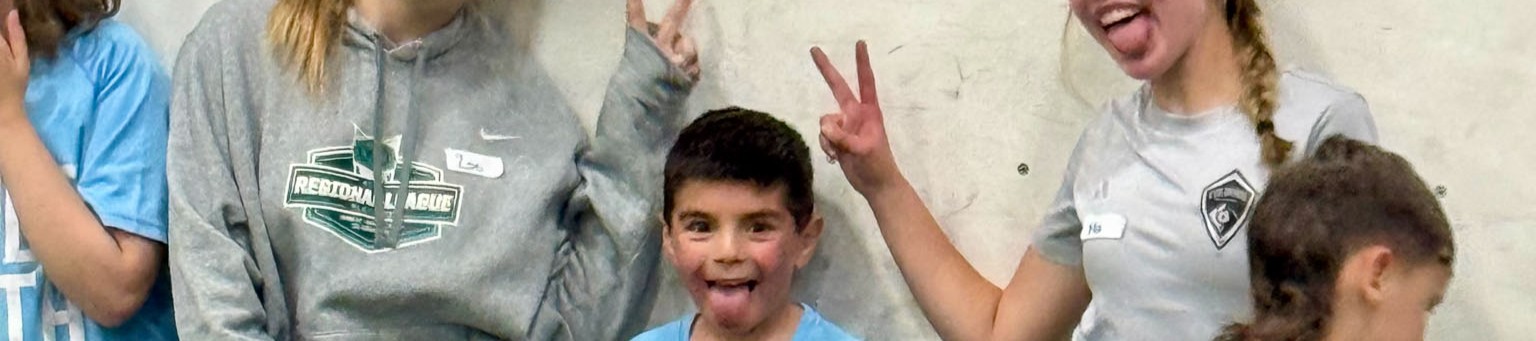
Jameson McCabe Named July 2026 UCHealth Player of the Month!
Jameson is a part of our North Adaptive Soccer program, where he is known to be silly, fast, and always willing to give his best. Jameson enjoys seeing his volunteer buddy each week, learning new soccer skills, and being part of a team. Through the Adaptive program, he has grown more confident participating in larger groups, overcoming his fear of playing near others and feeling comfortable joining activities without pressure or expectations. Off the field, Jameson's confidence has continued to grow in the classroom, where he is more willing to raise his hand, answer questions, and participate in group activities. Outside of soccer, he loves fishing, swimming, playing with his younger brother, watching movies, and spending time with animals. This August, Jameson will be presented with a plaque and a gift card to acknowledge his achievements. We spoke with Jameson to learn a bit more about him. Check out the full interview below!

Storm Staff
Jul 31 2026
Storm Staff
Jul 31 2026
Are You Ready for Fall Soccer? A Preseason Readiness Checklist
As fall soccer is just around the corner, many athletes are excited to jump back into practices, tryouts, and the fall soccer season. While it's tempting to go from summer break straight into full-speed training, taking a little time to prepare your body can make a big difference in both performance and injury prevention. As Colorado Storm's Head Athletic Trainer, one of the biggest trends I see each year is athletes returning to the field before they're physically ready. The good news? A little preparation now can help you stay healthy and perform your best all season long. Ask Yourself These Five Questions Have You Stayed Active This Summer? You don't need to be in peak soccer shape, but your body should be accustomed to regular activity before preseason begins. If you've taken a few weeks off, ease back into training gradually rather than jumping into multiple intense sessions in one week. Goal: Build your activity level over 2–3 weeks before preseason. Can You Move Well? Mobility is often overlooked but is essential for sprinting, cutting, and changing direction. Pay special attention to your: - Hip mobility - Hamstring flexibility - Calf flexibility - Ankle mobility If something feels unusually tight or restricted, address it before practices become more demanding. Are You Strong Enough? Soccer requires strength just as much as endurance. Strong muscles help protect your joints and reduce your risk of injury. Focus on exercises like: - Squats - Lunges - Single-leg balance exercises - Glute strengthening - Core stability work These movements build the foundation for powerful and safe movement on the field. Are You Fueling and Hydrating Properly? Colorado's dry climate makes dehydration happen faster than many athletes realize. Before preseason: - Drink water consistently throughout the day—not just at practice. - Eat balanced meals with carbohydrates and protein. - Refuel within 30–60 minutes after training. Good nutrition helps your body recover and prepares you for the next workout. Are You Sleeping Enough? Recovery happens when you sleep. School schedules often mean athletes lose sleep once the season begins, so establish healthy habits now. Aim for 8–10 hours of sleep each night for teen athletes. Better sleep improves reaction time, decision-making, recovery, and overall performance. Listen to Your Body A little soreness after returning to training is normal. Sharp pain, swelling, limping, or pain that doesn't improve after a day or two is not. The sooner an issue is addressed, the less likely it is to become something that keeps you off the field. Final Thoughts Preparing for the season isn't just about being in shape—it's about giving your body the best chance to stay healthy throughout the year. Take a little extra time now to build your fitness gradually, prioritize recovery, and listen to what your body is telling you. Your future self will thank you when you're able to spend more time playing and less time recovering from preventable injuries. If you have questions about an injury, soreness that won't go away, or want guidance on safely returning to training, don't hesitate to reach out. I'm here to help keep Colorado Storm athletes healthy, confident, and on the field all season long.

Julie Graves
Jul 31 2026
Julie Graves
Jul 31 2026
Mile High Soccer Symposium 2026
The first Mile High Soccer Symposium is officially in the books. Over three days (June 26-28) at Regis University, coaches from across Colorado and beyond came together to learn, connect, and challenge one another alongside some of the most respected minds in the game. While the symposium featured world-class presenters from youth, collegiate, professional, and international soccer, the greatest takeaway wasn't a single presentation—it was the community that was created. Coaches shared meals together. They debated ideas between sessions. They analyzed FIFA World Cup matches. They watched elite coaches bring ideas to life on the field. They built relationships that will continue long after the weekend ended. That was always the vision. The symposium wasn't designed to be another coaching conference. It was designed to become an annual gathering where coaches invest in themselves so they can create better environments for the players they serve. Throughout the weekend, one message continued to emerge: Better coaches create better learning environments. Better learning environments help develop better players while ensuring kids continue to love the game.