
LET US PLAY
Let Us Play
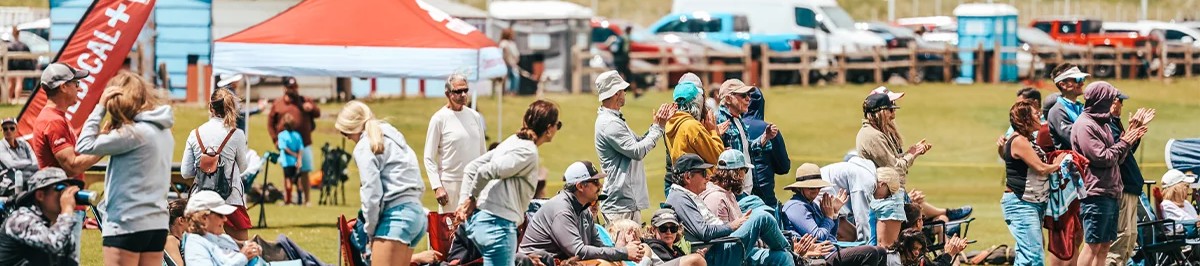
At Colorado Storm, we believe the soccer field is a place for growth, joy, and belonging. The "Let Us Play" initiative is our way of ensuring that every child, from our youngest beginners to our high-school athletes, can enjoy the game in a supportive environment.
Why We Protect the Game
Soccer is a journey of discovery. When we "Let Us Play," we give our athletes the space to make mistakes, learn from them, and build lasting confidence. Storm families play a vital role in this by creating a sideline atmosphere filled with warmth and encouragement rather than pressure.
Player-Centered Focus: The game belongs to the kids.
A Culture of Joy: We celebrate effort and sportsmanship over the final score.
A Place for Everyone: Whether in Recreational or Elite programs, every player deserves to feel they belong.
Building Momentum: Positive support helps our players develop the emotional resilience they need to succeed on and off the field.
Playing Your Part in the Storm
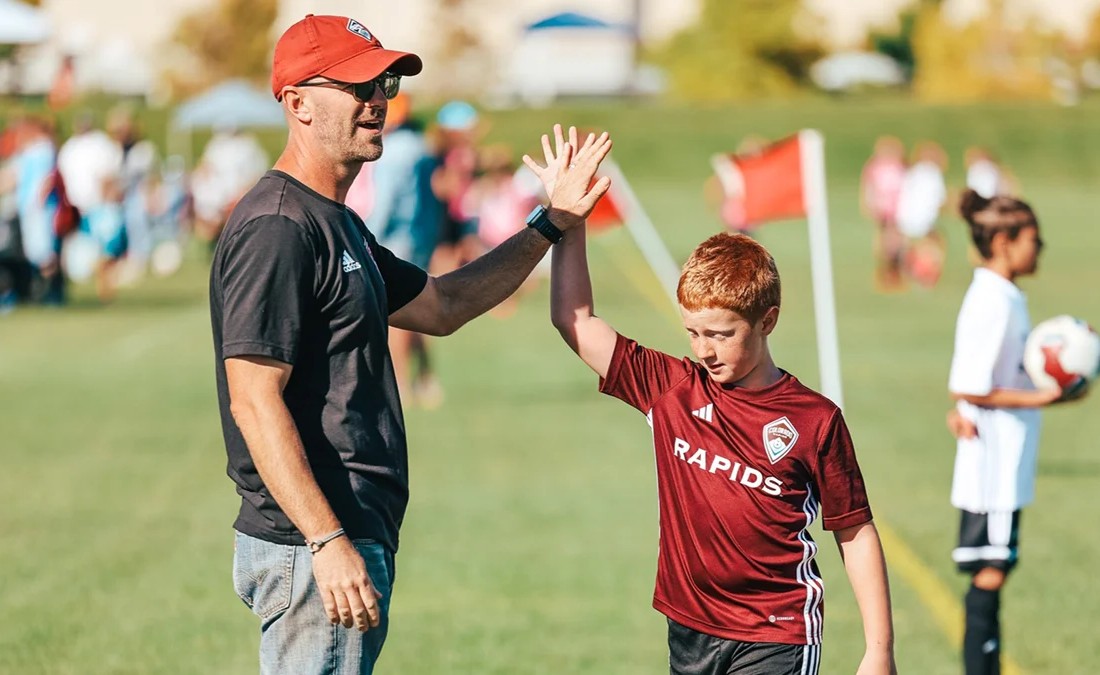
At Colorado Storm, we believe that a player’s success starts with a supportive community. These five key principles help us create an exceptional experience for every athlete, whether they are just starting in our Recreational programs or competing at the Elite level. By following these guidelines, you help maintain the positive energy that makes our club special.

Positive Environment
Let your child explore the game in a fun, pressure-free way. Even a simple kickaround in the backyard helps build the confidence they need to shine on game day.

Child-Centered Focus
At every development stage, enjoyment is the heart of the game. We encourage you to praise your child’s effort and enthusiasm rather than the final score.

Celebrating Development
Learning the game takes time and patience. We celebrate the small wins and avoid pushing too hard, allowing every Storm player to grow at their own pace.

Respect for the Journey
Consistency is key to a great experience. Helping your child attend practices regularly builds the discipline and comfort they need to feel successful.

Empowerment & Safety
We trust our coaches to lead the way. By avoiding coaching from the sidelines, you empower your child to think for themselves and grow into an independent, confident athlete.
Positive Environment
Let your child explore the game in a fun, pressure-free way. Even a simple kickaround in the backyard helps build the confidence they need to shine on game day.
Child-Centered Focus
At every development stage, enjoyment is the heart of the game. We encourage you to praise your child’s effort and enthusiasm rather than the final score.
Celebrating Development
Learning the game takes time and patience. We celebrate the small wins and avoid pushing too hard, allowing every Storm player to grow at their own pace.
Respect for the Journey
Consistency is key to a great experience. Helping your child attend practices regularly builds the discipline and comfort they need to feel successful.
Empowerment & Safety
We trust our coaches to lead the way. By avoiding coaching from the sidelines, you empower your child to think for themselves and grow into an independent, confident athlete.
The Discipline Ladder
The Colorado Storm Discipline Ladder is designed to protect the joy of the game for every child. Our goal is to promote positive spectatorship by clearly sharing how the Club handles disciplinary situations. This ladder follows the heart of our Let Us Play initiative, ensuring that our fields remain a safe and welcoming place for families from Castle Rock to our Fort Collins locations.
Supporting the Game the Storm Way
Every weekend, sidelines are filled with parents and fans who want their teams to succeed. While we love the energy and cheering, we believe that for a player to truly grow, they must be the ones making decisions on the ball.
Protecting the Player Experience
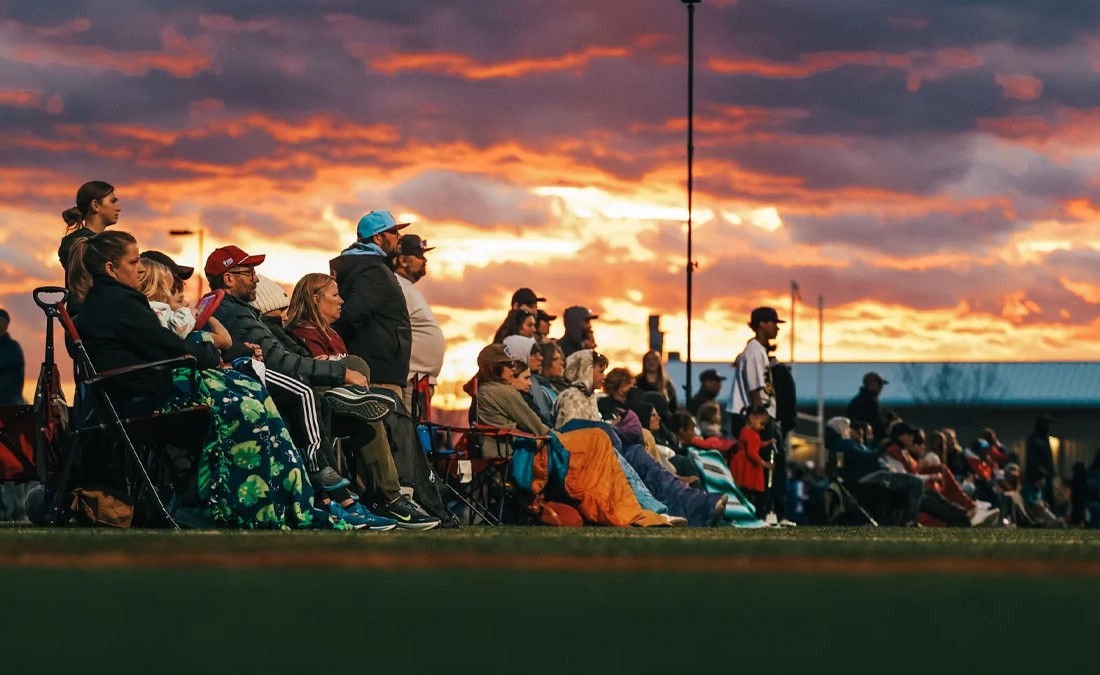
Sometimes, enthusiastic cheering can turn into "joysticking"—shouting instructions or trying to coach from the stands. At Colorado Storm, we are committed to a growth mindset where players learn through individual experience. It is our responsibility to inform all Storm members of the best-behavior practices that keep our community strong and inclusive. By following the Discipline Ladder, we ensure that every player's spark for the game continues to grow.
Mandatory Education (Tier C)
Who It Applies To:
Parents and spectators whose behavior, while well-intended, disrupts the game or contradicts the Let Us Play principles.
These actions are often meant to be helpful, but instead become a persistent distraction.
Examples of Behaviors:
Sideline coaching – Giving players instructions instead of letting them play.
"Joysticking" – Overly directing or micromanaging players or officials.
Ignoring informal warnings – Continuing disruptive behavior despite receiving reminders through emails, verbal requests, educational cards, or even playful interventions like lollipops.
Possible Interventions:
Educational module completion
Written reflection: Reflecting on the behavior and how to improve.
Interventions are decided by the Coach, with input from the Director of Coaching.
Who is Responsible:
Parent / Spectator & The Coach(es)